
Loading buyer guide
Hurry, don't miss savings on selected furniture & more.* Shop all offers
Top hung, side hung and centre pivot windows all suit different rooms. Here’s how to compare opening mechanisms, installation type, size and value before you buy.
Use our barcode scanner to match products instantly to find the best prices, find products with ease using our voice search and build wish lists and your favourites at the click of a button.
Best windows for conservatories and sunrooms
Bright extensions ask more of a window than a standard room does. Size, glazing, frame material and opening style all affect comfort, ventilation and the overall look, so a useful shortlist starts with how the space will actually be used.
Casement vs sash windows: which suits your home?
Choosing between a casement window and a sash-style design usually comes down to how the window opens, the space around it, the look of the property and how much flexibility you need from your budget.
Velux window sizes explained: which size should you choose?
Choosing a Velux roof window is easier once you understand what the size codes and dimensions mean, and why a low-looking offer may be for flashing or an accessory rather than the full window.
Best sound reducing windows for busy roads
Traffic noise asks more of a window than a thicker pane of glass. For homes near busy roads, the better comparison is between glazing specification, frame airtightness, opening style, size and the parts that complete the installation.
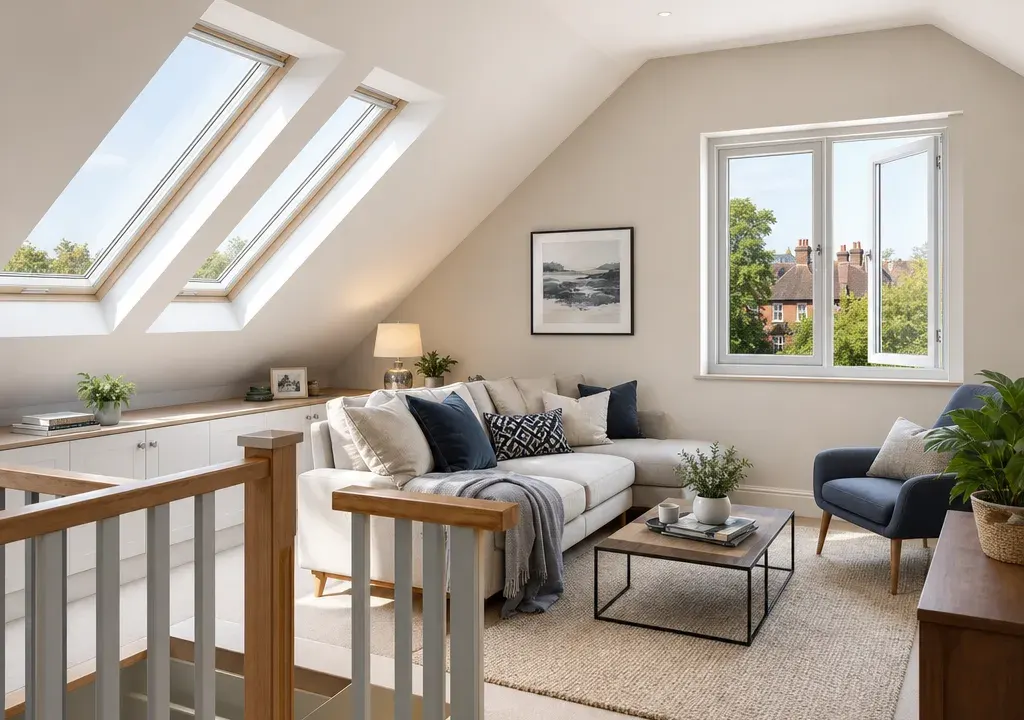
Window choice can quickly become confusing because many listings look similar until you compare how they actually open. A top hung roof window, a side hung wall window and a centre pivot roof window can all bring in daylight, but they suit different rooms and different habits.
For shoppers browsing Windows, the key is to match the opening mechanism to the installation position, available clearance, room use and size. Catalogue specifications can help you narrow the field: dimensions, glazing description, frame material, roof or wall fitting type and whether the product is a full window or an accessory all matter.
Before choosing an opening style, separate roof installation from wall installation. Roof Windows, Top Hung Windows and many centre pivot or tilt-style products are intended for sloped or roof positions, while Side-Hung Windows are usually selected for vertical wall openings.
That distinction affects almost everything: how the sash moves, whether furniture can sit beneath it, how easy it is to reach the handle and what size is realistic for the space. A compact roof window such as a 40 x 40 cm rooflight-style product will serve a very different purpose from a larger 94 x 160 cm roof window. Similarly, a side-hung uPVC window listed at 610 x 820 mm is being compared in a different context from a roof-mounted aluminium unit.
If you are replacing an existing unit, your first filter should be the opening size, roof pitch or wall position, and compatible fitting details. If you are creating a new opening, allow for professional advice because structural work, weatherproofing and compliance considerations can affect what is suitable.
Top hung windows are commonly associated with roof spaces where the sash opens outwards from the top edge. The appeal is that the opening can feel less intrusive inside the room, especially in loft conversions, attic bedrooms or workspaces where you want a wide view and airflow without the window rotating into the space.
They can be a good direction to consider if the window is within comfortable reach and the area below it is used regularly. Because the sash opens outward, you should think about external clearance, roof positioning and how the window will be operated. In catalogues, top hung options may sit alongside Roof Windows and other sloped-roof products, so check the stated opening mechanism rather than relying on the visual image alone.
Top hung is not automatically the premium choice. It may be less convenient if the handle position is hard to reach, if the roof position is high, or if you need simple everyday operation from below. In those cases, a compatible operating pole or a different mechanism may be more practical, but make sure any accessory is suitable for the specific window model.
Side hung windows open from hinges on one side, much like a small door. They are often chosen for wall installations where straightforward access and traditional operation are priorities. If you are shopping within Side-Hung Windows, pay close attention to whether the listing specifies right hand or left hand opening, because that affects where the sash swings and how it works with curtains, blinds, furniture and outside obstructions.
The catalogue examples show how varied this part of Windows can be. A side-hung listing might be a compact aluminium unit with triple-pane wording, or a uPVC side-hung product in a larger 610 x 820 mm size. Those specifications are not directly interchangeable; they suggest different materials, sizes and likely use cases.
Side hung can make sense for utility rooms, outbuildings, kitchens, bathrooms or any wall opening where you want a simple hinged action. However, it needs swing clearance. If the window opens outward, think about pathways, neighbouring structures and cleaning access. If it opens inward, consider worktops, taps, shelving and blinds.
Centre pivot windows rotate around a central axis, so part of the sash moves inward and part moves outward. In shopping catalogues, some roof window listings may use terms such as tilt window rather than spelling out centre pivot, so it is worth checking the hinge or pivot description carefully.
The strength of this style is everyday practicality. Centre pivot or tilt-style roof windows can suit loft rooms where the unit is positioned above furniture or where you want a balanced opening action. They can also be easier to operate when the window is set higher on the roof slope, depending on handle position and accessories.
The trade-off is internal clearance. Because the sash rotates, it can project into the room. That may not matter in a stairwell or open landing, but it can be frustrating above a desk, bed or storage run. Larger examples, such as roof windows listed around 78 x 118 cm or 94 x 160 cm, should be considered carefully in relation to headroom and furniture layout.
Size is one of the most important comparison points because it changes both suitability and value. A smaller roof product may be right for a compact bathroom, caravan-style application or tight roof area, while a larger roof window may be intended for a brighter loft room or living space. Wall-mounted side-hung windows have their own sizing logic, particularly when replacing an existing frame.
When comparing offers, avoid judging value by price alone. A lower-cost listing may be an accessory rather than a full window, as with items such as telescopic poles for roof or skylight operation. Window sills are also part of the wider Windows category but should not be compared directly with complete Fixed Windows, Sliding Windows, Tilt Windows or Roof Windows.
A useful shortlist should group like with like: full roof windows with full roof windows, side-hung wall windows with side-hung wall windows, and accessories with accessories. Then compare dimensions, material, pane description, opening mechanism and any fitting components mentioned in the catalogue.
Catalogue listings may mention aluminium, uPVC, wood, double-pane or triple-pane. These terms can help you narrow choices, but they do not tell the whole story on their own. A triple-pane aluminium side-hung window and a double-pane wood tilt window may be aimed at different installations, sizes and budgets.
Material choice often comes down to maintenance preference, appearance and where the window will be fitted. uPVC is common for many wall windows, aluminium appears frequently in roof window listings, and wood may appeal where the interior finish matters. The best choice depends on the product specification and the room rather than a single universal rule.
If energy performance, acoustic comfort or building requirements are important for your project, look for the stated performance data in the retailer’s specification and ask an installer if anything is unclear. Do not assume that a pane count alone confirms suitability.
Current offers can move around, so treat price as a comparison signal rather than a fixed answer. In the supplied catalogue context, smaller accessories and compact window products sit at a very different price level from larger branded roof windows. That is expected, because size, installation type, materials and whether the item is a complete window all affect value.
Discounts can be useful, but they should not lead the decision. A strong percentage reduction on the wrong opening style is not good value if it will be awkward to operate or unsuitable for the opening. Likewise, a larger roof window may look expensive next to a smaller unit, but the comparison is only fair if both meet the same room requirement.
A sensible approach is to shortlist by fit first, then function, then value. Check whether the product has clear imagery, complete specifications and the opening mechanism you need. After that, compare products and offers across Windows to see which option gives the best match for your project.
For loft bedrooms and attic offices, start with Roof Windows and decide between top hung and centre pivot based on reach, view and internal clearance. Top hung can feel more open when the window is within easy reach, while centre pivot can be a practical everyday choice where balanced operation matters.
For bathrooms, cloakrooms and utility spaces, compact sizes and ventilation may be the priority. A side-hung wall window can work well where there is a suitable vertical opening, while a smaller roof window or roof dome style may suit rooms without an external wall. Always consider privacy, condensation management and suitable finishing details.
For kitchens and living spaces, furniture and fittings often decide the opening style. Side hung may clash with taps, blinds or external paths if not planned carefully. Centre pivot roof windows need internal swing space. Top hung options need the right height and external clearance. For hallways or darker internal zones, Sun Tunnels may be worth comparing separately because they solve a different daylight problem rather than acting like openable windows.
Choose top hung if you are fitting a roof window within easy reach and want an outward-opening feel with a more open view. It is especially worth considering for loft rooms where the window position makes operation comfortable.
Choose side hung if you are replacing or fitting a vertical wall window and want a familiar hinged action. Check handedness, swing clearance and the exact frame size before you compare offers.
Choose centre pivot if you need a practical roof window for regular use and can accommodate the sash rotating into the room. It is often a strong option for roof spaces where the handle position and room layout suit that movement.
If none of these quite fits, compare related Windows choices such as Fixed Windows, Sliding Windows, Sideswing Windows, Tilt Windows, Roof Dome Windows, Window Shutters and Window Sills. They may answer a more specific need, especially if ventilation, daylight, privacy or finishing trim is the main reason for buying.
Not automatically. A top hung window can suit a roof position where you want an outward opening and clear view, while a centre pivot window can be more practical where balanced everyday operation matters. The better choice depends on reach, room layout, roof position and clearance.
Side hung windows are most commonly compared for vertical wall openings. If you are shopping for a sloped roof, focus on roof-specific products and check the stated opening mechanism, fitting type and compatible installation details.
Start with the existing opening or the planned structural opening, then compare catalogue dimensions. A 40 x 40 cm roof product, a 55 x 98 cm roof window and a 610 x 820 mm side-hung wall window are not direct substitutes, so group similar products before comparing value.
Only for budgeting the whole project, not as direct alternatives. Items such as operating poles or window sills may appear in the Windows category, but they do not replace a complete roof or wall window.
A discount can make an offer more attractive, but suitability comes first. Check installation type, size, opening mechanism, material and specification before treating a reduced price as good value.
The best opening style is the one that fits the room, not the one that sounds most impressive. Top hung windows favour an open roof-window feel, side hung windows suit familiar wall installations, and centre pivot windows often work well where practical roof operation is the priority.
Compare products by mechanism, size, installation type and specification before weighing up offers. That way, your shortlist in Windows is based on fit and function first, with price used to choose between genuinely suitable options.
