
Loading buyer guide
Hurry, don't miss savings on selected furniture & more.* Shop all offers
Road noise can expose weak spots in glazing, seals and frame choice. Here’s how to compare Windows options sensibly, from triple-pane roof windows to side-hung designs, without assuming every thicker unit is an acoustic upgrade.
Use our barcode scanner to match products instantly to find the best prices, find products with ease using our voice search and build wish lists and your favourites at the click of a button.
Best windows for conservatories and sunrooms
Bright extensions ask more of a window than a standard room does. Size, glazing, frame material and opening style all affect comfort, ventilation and the overall look, so a useful shortlist starts with how the space will actually be used.
Top hung, side hung or centre pivot windows: which opening style is best?
Choosing between window opening styles is less about one being ‘best’ and more about where it will sit, how often you will open it, and how much usable space you have around it.
Casement vs sash windows: which suits your home?
Choosing between a casement window and a sash-style design usually comes down to how the window opens, the space around it, the look of the property and how much flexibility you need from your budget.
Velux window sizes explained: which size should you choose?
Choosing a Velux roof window is easier once you understand what the size codes and dimensions mean, and why a low-looking offer may be for flashing or an accessory rather than the full window.
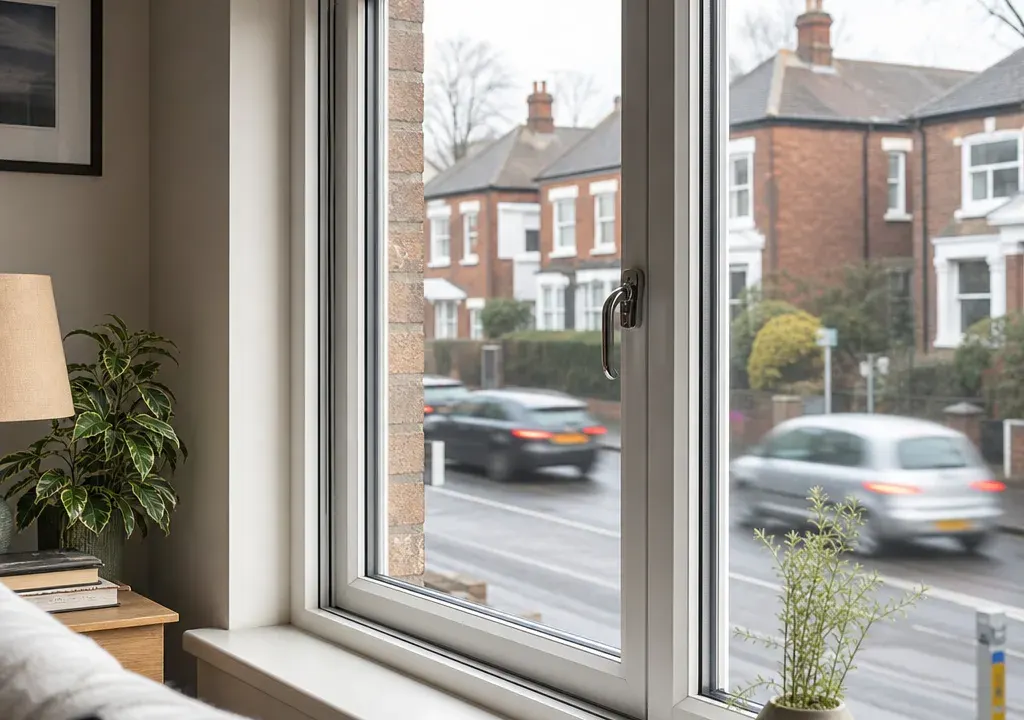
If you live by a main road, the most important question is not simply “which window is thickest?” It is whether the whole window set-up can limit noise leakage: the glazing, the frame, the seals, the opening mechanism and the quality of installation all matter.
For comparison shopping, the strongest starting point is to separate true acoustic specifications from general glazing descriptions. Acoustic laminated glass, declared acoustic ratings and well-sealed frames are more meaningful for road noise than a product title that only says double-pane or triple-pane. Triple-pane can be useful in some homes, but it is not automatically the best sound-reducing option unless the specification supports that use.
For busy roads, look first for acoustic glazing details. The most relevant wording is usually acoustic laminated glass, laminated inner panes, acoustic ratings, or a stated sound reduction figure. If those details are missing, treat the product as a general window option rather than a proven noise-reduction upgrade.
The next factor is airtightness. A well-specified pane cannot do much if sound passes through gaps around the frame, trickle vents, worn seals or badly finished edges. Opening windows such as Side-Hung Windows, Tilt Windows and Top Hung Windows need especially careful attention to seals because they have more moving contact points than many Fixed Windows.
Frame material matters too, but not in isolation. uPVC, aluminium and timber can all appear in good or poor-performing installations. For road noise, compare the complete unit: glazing build-up, frame profile, seal design, ventilation arrangement and how well it suits the wall opening.
Size also affects the decision. A larger pane can admit more noise simply because there is more glass area, so a big Roof Window or wide street-facing unit may need a stronger specification than a smaller side window. Always compare like-for-like sizes when weighing value.
Among the supplied catalogue examples, the products most relevant to noise-sensitive shoppers are the actual window units that state glazing information. The Valeo aluminium side-hung triple-pane option is notable because it combines an opening side-hung format with triple-pane wording and a relatively low listed catalogue price compared with many other examples. However, the listing context supplied does not state an acoustic rating, so it should not be treated as a confirmed road-noise specialist without checking the full specification.
Several Velux aluminium Roof Windows in the catalogue carry triple-pane wording or roof-window sizing details. Examples include compact sizes such as 55 x 78 cm and larger sizes such as 78 x 118 cm. These may be relevant where the noise source is above, nearby, or reflected into loft rooms, but roof windows face different weathering and installation demands from vertical Windows. For road noise, confirm whether the glazing has acoustic laminated elements rather than relying on triple-pane wording alone.
The Crystal uPVC black right-hand side-hung clear window, listed at 610 x 820 mm, gives a more conventional wall-window format. Its uPVC frame and side-hung operation may suit replacement projects where the opening style is important. The supplied details describe clear glazing rather than acoustic glazing, so it is better viewed as a style and fit comparison point unless the retailer specification confirms more noise-focused glass.
The Velux CK04 GGU 0070 wood tilt window is listed as double-pane. Double-pane is common and can be perfectly suitable for many homes, but for a house on a busy road it is worth checking whether the pane build-up is acoustic, laminated or simply standard insulating glass. A double-pane acoustic unit can sometimes be more relevant to noise than a non-acoustic triple-pane unit, depending on specification.
Some supplied products are not direct sound-reducing window choices. A telescopic pole for a skylight is an accessory, and solid wood Window Sills may complete a project but do not replace the need for suitable glazing and sealing. They can still be part of a wider Windows comparison, but they should not be compared as noise-reducing window units.
Triple-pane windows can look attractive for a busy-road home because more layers sound reassuring. In practice, noise reduction depends on the full pane construction, the spacing between panes and whether laminated acoustic glass is included. If a triple-pane listing gives no sound reduction detail, use it as a prompt to investigate rather than as proof of quieter performance.
Double-pane should not be dismissed automatically. A well-specified double-glazed unit with acoustic laminated glass may be a more targeted choice than a basic triple-pane unit. This is why comparing glazing descriptions matters more than counting panes alone.
For traffic noise, ask three questions before shortlisting: does the window specify acoustic glass or a sound reduction rating; does the frame and opening style look capable of sealing tightly; and is the size suitable for the room and wall opening? If the answer to the first question is unclear, compare offers carefully and seek the missing details before purchase.
Fixed Windows are often worth considering for the noisiest elevation because they do not need opening hardware in the same way as side-hung or tilt designs. Fewer moving parts can mean fewer potential leakage points, though the final performance still depends on the product and installation.
Side-Hung Windows are practical for access, ventilation and traditional room layouts. If you choose this style for a road-facing wall, compare hinge quality, seal arrangement and whether the frame closes firmly. Catalogue titles rarely tell the full story, so the product specification is important.
Tilt Windows and Top Hung Windows can be useful where ventilation and controlled opening are priorities. On busy roads, however, ventilation is a trade-off: opening the window will let in noise regardless of glazing quality. If you need fresh air while limiting traffic sound, look into compatible ventilation options and how they affect acoustic performance.
Roof Windows add another dimension. In loft rooms, road noise may be less direct but rain noise, aircraft, or reflected urban sound can become noticeable. Compare the listed size, frame material and glazing specification carefully, especially for larger units.
The supplied catalogue shows a wide spread of listed prices, from lower-priced accessory and smaller-unit entries to higher-priced larger roof and tilt window examples. Discount percentages can be useful value signals, but they should not outweigh specification. A cheaper unit with no acoustic detail may be poor value if your main problem is road noise.
When comparing current offers, group products by purpose before looking at price. Compare vertical replacement Windows with vertical replacement Windows, Roof Windows with Roof Windows, and accessories with accessories. A skylight pole or Window Sill may be useful, but it does not solve the same problem as a glazed window unit.
Size is another price trap. A 55 x 78 cm roof window and a 94 x 160 cm tilt window are not directly comparable on value, even if both sit in the wider Windows category. Larger units naturally involve more material and may need different installation planning, so compare cost against size, specification and suitability.
Start with the room that is most affected by traffic noise. For a bedroom facing the road, prioritise acoustic specification and airtightness over opening convenience. For a kitchen or bathroom, ventilation may be more important, so the best compromise could be a high-quality opening unit with careful sealing.
Next, decide whether you are replacing a wall window, a roof window, or improving the surrounding finish. For wall openings, Side-Hung Windows, Tilt Windows and Fixed Windows may all be relevant. For loft spaces, compare Roof Windows and their glazing packages. For finishing work, Window Sills and related accessories belong in the project budget but should be judged separately from sound performance.
Finally, compare retailer listings for clear evidence: glazing type, pane count, frame material, dimensions, handing, opening style and any acoustic wording. If two products look similar, the one with clearer specification is usually easier to buy with confidence than the one relying on vague claims or a headline discount.
No. Triple-pane construction can help in some situations, but road-noise performance depends on the full glazing build-up, air gaps, laminated acoustic layers, seals and installation. A product should not be treated as a sound-reducing window unless the specification supports that use.
Look for acoustic glazing details, a stated sound reduction figure where available, strong frame sealing, suitable opening style and the correct size for the opening. Also consider how ventilation will be handled, because an open window will let traffic noise in.
Roof windows can be suitable for loft rooms, but they need to be compared by glazing specification, size and frame type. Do not assume a roof window is acoustic unless the listing states relevant glazing or sound reduction details.
Window Shutters may help a room feel more enclosed and can add a layer at the window, but they are not a substitute for properly specified glazing and sealed frames. Treat them as a complementary option rather than the main sound-reduction measure.
Fixed Windows can be appealing on very noisy elevations because they have fewer moving joints, but opening windows may be necessary for ventilation or access. If choosing an opening design, pay close attention to seals, frame fit and acoustic glazing specification.
For busy roads, the best sound reducing windows are the ones with evidence behind the specification. Pane count, frame material and discount signals are all useful comparison points, but they should sit behind acoustic glazing details, airtight sealing and correct sizing.
Use the wider Windows range to compare like with like: wall windows against wall windows, Roof Windows against Roof Windows, and accessories separately. If a listing does not confirm acoustic credentials, ask for the missing specification before treating it as a noise-reduction solution.
