
Loading buyer guide
Hurry, don't miss savings on selected furniture & more.* Shop all offers
For a conservatory or sunroom, the right windows are not simply the biggest or cheapest. Compare roof and side openings, double and triple glazing, frame finishes and the full cost of accessories before deciding.
Use our barcode scanner to match products instantly to find the best prices, find products with ease using our voice search and build wish lists and your favourites at the click of a button.
Top hung, side hung or centre pivot windows: which opening style is best?
Choosing between window opening styles is less about one being ‘best’ and more about where it will sit, how often you will open it, and how much usable space you have around it.
Casement vs sash windows: which suits your home?
Choosing between a casement window and a sash-style design usually comes down to how the window opens, the space around it, the look of the property and how much flexibility you need from your budget.
Velux window sizes explained: which size should you choose?
Choosing a Velux roof window is easier once you understand what the size codes and dimensions mean, and why a low-looking offer may be for flashing or an accessory rather than the full window.
Best sound reducing windows for busy roads
Traffic noise asks more of a window than a thicker pane of glass. For homes near busy roads, the better comparison is between glazing specification, frame airtightness, opening style, size and the parts that complete the installation.
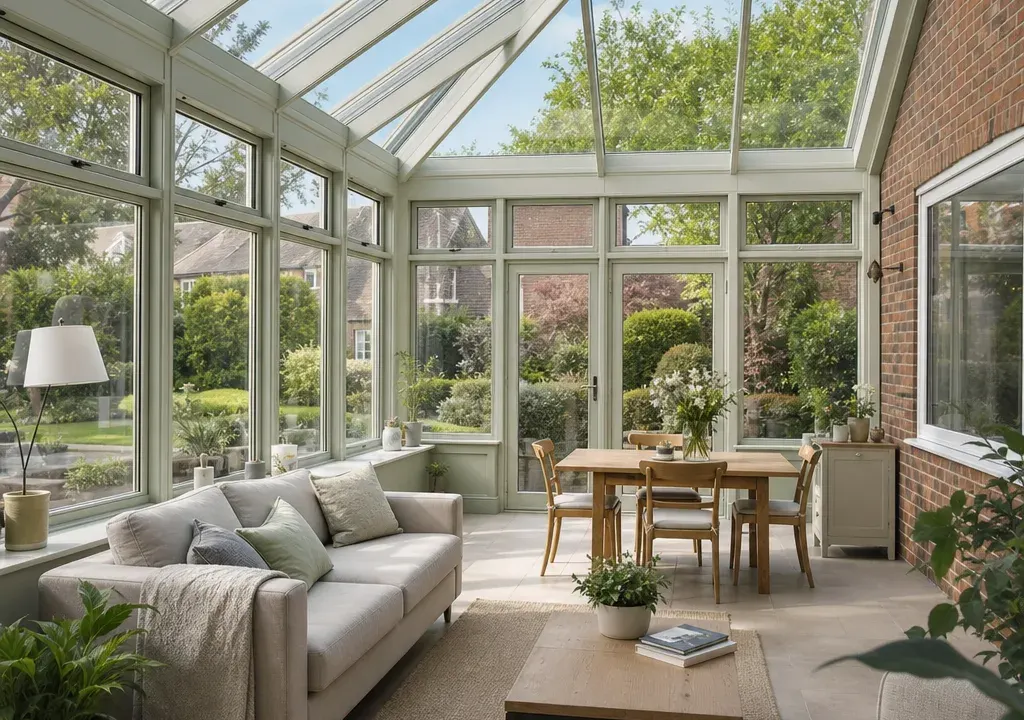
Choosing windows for a conservatory or sunroom is a balance between daylight, ventilation, heat control, privacy and budget. A room that is mostly glass can feel wonderful on a mild day, but the wrong window layout may leave it too bright, too stuffy or awkward to maintain.
The strongest shortlist usually compares five things first: size, glazing, frame material, opening style and the complete installed cost. Current catalogue examples in Windows include compact roof window formats, larger aluminium roof windows, uPVC side-hung options, wood tilt designs, window sills and skylight accessories, so it is worth checking that each product is genuinely comparable before you treat it as a better offer.
In a bright glazed extension, not every window has the same role. Some are there to bring in overhead light, some to open the room to the garden, and others simply to complete a wall or roof run neatly. Before comparing prices, decide whether you need extra daylight, everyday ventilation, a wide view, access for cleaning, or a replacement for an existing unit.
For a sunroom used all year, ventilation usually matters as much as light. Roof Windows and Tilt Windows can help release warm air from higher up, while Side-Hung Windows can be useful on vertical walls where you want a more traditional opening. Fixed Windows can suit areas where the view is the priority and opening is less important, but they will not solve stuffiness on their own.
If your room already has a lot of glass, adding more may not be the answer. Sometimes a smaller opening window in the right place is more useful than a larger fixed pane. Compare the purpose first, then the product.
Window listings often show product sizes such as 55 x 78 cm, 55 x 98 cm, 78 x 98 cm, 78 x 118 cm or larger formats such as 94 x 160 cm. These figures are useful for shortlisting, but they are not a substitute for checking the required structural opening, roof pitch suitability, frame depth and any matching installation parts.
For example, catalogue options such as Velux CK02, CK04 and MK04 roof window formats illustrate how roof windows can step up in size without changing the basic product type. A larger roof window can transform a dark extension, but it may also affect cost, weight, fitting complexity and how much solar gain the room receives.
Small formats, including compact roof window listings such as a 40 x 40 cm roof window, may be useful where space is tight or where you only need a modest light source. However, do not assume a compact roof window is suitable for every conservatory or sunroom. Check whether the product is intended for your building type and roof construction.
For side walls, a size such as 610 x 820 mm on a uPVC side-hung window gives a different result from a roof window of similar area. It may offer easier reach and a more familiar opening action, but it will not bring in the same overhead light.
Glazing choice has a big effect on comfort in a sunroom. Product catalogues may include double-pane and triple-pane windows, and the right choice depends on how exposed the room is, how often you use it, and whether you are replacing like for like or planning a more substantial upgrade.
Triple-pane options can be appealing where comfort and insulation are priorities, and catalogue examples include triple-pane aluminium roof windows and side-hung windows. They may cost more and may have different fitting requirements, so compare the full specification rather than treating triple-pane as automatically better in every situation.
Double-pane options may still be sensible for some projects, especially where you need to match existing windows or manage the overall budget. A wood tilt window with double-pane glazing, for instance, should be compared against aluminium or uPVC alternatives not only by pane count, but also by frame material, finish, opening style and size.
Clear glazing is common for garden-facing rooms because it keeps the space open and bright. If privacy, glare or overheating is a concern, check what glazing variants are available rather than assuming every listing offers the same glass.
Frame material is not just a style choice. It affects the look of the conservatory, how the window sits with existing doors and frames, and the level of upkeep you are comfortable with.
Aluminium window listings are common among roof window examples. Aluminium can suit a modern glazed extension, particularly where you want a crisp frame finish. When comparing aluminium Roof Windows, look at the size, glazing type, opening mechanism and whether any flashing or fitting components are included or need to be bought separately.
uPVC is often chosen for practical side windows and can work well where you want a low-maintenance frame that matches existing uPVC doors or windows. A black uPVC right-hand side-hung window, for example, would sit very differently in a design scheme from a white or timber-effect frame, so compare colour and handing as carefully as size.
Wood frames can suit warmer interior schemes, especially where the sunroom connects to a living space. A wood tilt window may feel more in keeping with traditional interiors, but shoppers should check finish, care requirements and compatibility with the rest of the build.
Opening style is one of the quickest ways to narrow down a large Windows category. In conservatories and sunrooms, the most useful choice is usually the one you can operate easily and safely in the spot where it will be installed.
Side-Hung Windows open in a familiar way and can work well in side elevations, particularly where you want direct airflow at seated height. Check handing carefully, as a right-hand opening window may not suit every layout or furniture arrangement.
Tilt Windows and Roof Windows are often chosen for sloping roofs or higher positions, where they can bring daylight deeper into the room. A larger tilt window can create a strong daylight feature, but make sure you can reach it. An accessory such as a telescopic pole for a skylight may appear in comparisons, but remember that it is not a window; it is part of the usability picture.
Top Hung Windows, Sliding Windows, Sideswing Windows and Roof Dome Windows may also be worth comparing depending on your roof shape and wall space. If your extension lacks direct roof space, Sun Tunnels can be considered for bringing light through from above, although they serve a different purpose from an opening window.
Window prices vary widely because the products being compared are often very different. A compact accessory, a pair of Window Sills, a small roof window and a large triple-pane tilt window should not sit in the same value judgement without context.
When comparing offers, separate actual windows from supporting products. For instance, catalogue data may include window sills, skylight poles and roof window units in the same broad Windows area. A lower price on an accessory is not a cheaper alternative to a window, and a discount on the wrong size or opening style is not useful value.
Discount percentages can help you spot offers worth investigating, but they should not be the main reason to buy. Prioritise the correct size, glazing, frame material, opening style, retailer availability and any required fitting components. Then compare the live price, delivery options and return terms shown by the retailer at the time you are ready to purchase.
For a conservatory or sunroom, it is also worth budgeting for finishing details. Window Sills, trims, compatible flashings, operating poles and matching finishes can affect the final cost and how complete the project feels.
For a compact roof area, start by comparing smaller Roof Windows and roof window formats. Check whether a 40 x 40 cm listing is suitable for your type of project, then compare it with more common roof window dimensions such as 55 x 78 cm or 55 x 98 cm if you need more daylight.
For a larger glazed roof, compare mid-size and large formats such as 78 x 98 cm, 78 x 118 cm and 94 x 160 cm. Bigger windows can make a dramatic difference, but they should be assessed against roof structure, reach, shading and overall heat gain.
For a vertical wall in a sunroom, compare Side-Hung Windows and Fixed Windows by the view you want and the ventilation you need. A side-hung uPVC window may be more useful for day-to-day airflow, while a fixed pane may keep the design cleaner where opening is not necessary.
For a premium-feeling room, compare triple-pane options, aluminium finishes and wood-framed tilt designs. The best choice is not always the most expensive product; it is the one that fits the opening, works with your room layout and gives the right mix of light and comfort.
Confirm the exact opening size, not just the visible glass area. Check whether the window is designed for a roof, wall, flat roof or another application. Make sure the opening style works with furniture, blinds, gutters and roof pitch.
Compare glazing type, frame material, colour, handing and operation. If the window is high up, check whether you need manual accessories or other compatible controls. If you are replacing an existing unit, compare like for like carefully before changing size or style.
Finally, compare the complete cost across suitable offers. A good shortlist should contain products that meet the same need, not just items that happen to sit in the same category.
Roof windows are useful for bringing light from above and releasing warm air from higher points, while side-hung windows are often easier to reach and better for direct ventilation through a wall. Many sunrooms benefit from a mix, but the right choice depends on the roof shape, wall space and how you use the room.
Triple glazing can be worth comparing if comfort, insulation and noise reduction are priorities, but it is not automatically the right option for every project. Compare it with double-pane alternatives by size, frame material, fitting requirements and total cost.
The best size is the largest suitable option that still works with the structure, layout and heat control of the room. Compare actual product dimensions with the required opening size, and consider whether several smaller windows may be more practical than one large unit.
Yes, but keep them separate from the window itself. Items such as telescopic poles, Window Sills and finishing components can affect the final budget and usability, but they are not direct alternatives to a window unit.
Compare products with similar size, glazing, frame material and opening style first. Then check the live retailer price, availability and what is included. A discounted product is only good value if it fits your project and does not require unexpected extras.
The best windows for conservatories and sunrooms are the ones that suit the room’s purpose, not just the ones with the biggest pane or most eye-catching offer. Start with where you need light and ventilation, then compare size, glazing, frame material and opening style across genuinely similar products.
Use the Windows category to build a shortlist that includes suitable Roof Windows, Side-Hung Windows, Tilt Windows and finishing items where needed. Once the specification is right, compare current offers to find the strongest overall value for your project.
