
Loading buyer guide
Hurry, don't miss savings on selected furniture & more.* Shop all offers
Aluminium can make sense for roof and specialist window listings, while uPVC is often the simpler route for standard side-hung replacements. Here’s how to compare the options before you buy.
Use our barcode scanner to match products instantly to find the best prices, find products with ease using our voice search and build wish lists and your favourites at the click of a button.
Best windows for conservatories and sunrooms
Bright extensions ask more of a window than a standard room does. Size, glazing, frame material and opening style all affect comfort, ventilation and the overall look, so a useful shortlist starts with how the space will actually be used.
Top hung, side hung or centre pivot windows: which opening style is best?
Choosing between window opening styles is less about one being ‘best’ and more about where it will sit, how often you will open it, and how much usable space you have around it.
Casement vs sash windows: which suits your home?
Choosing between a casement window and a sash-style design usually comes down to how the window opens, the space around it, the look of the property and how much flexibility you need from your budget.
Velux window sizes explained: which size should you choose?
Choosing a Velux roof window is easier once you understand what the size codes and dimensions mean, and why a low-looking offer may be for flashing or an accessory rather than the full window.
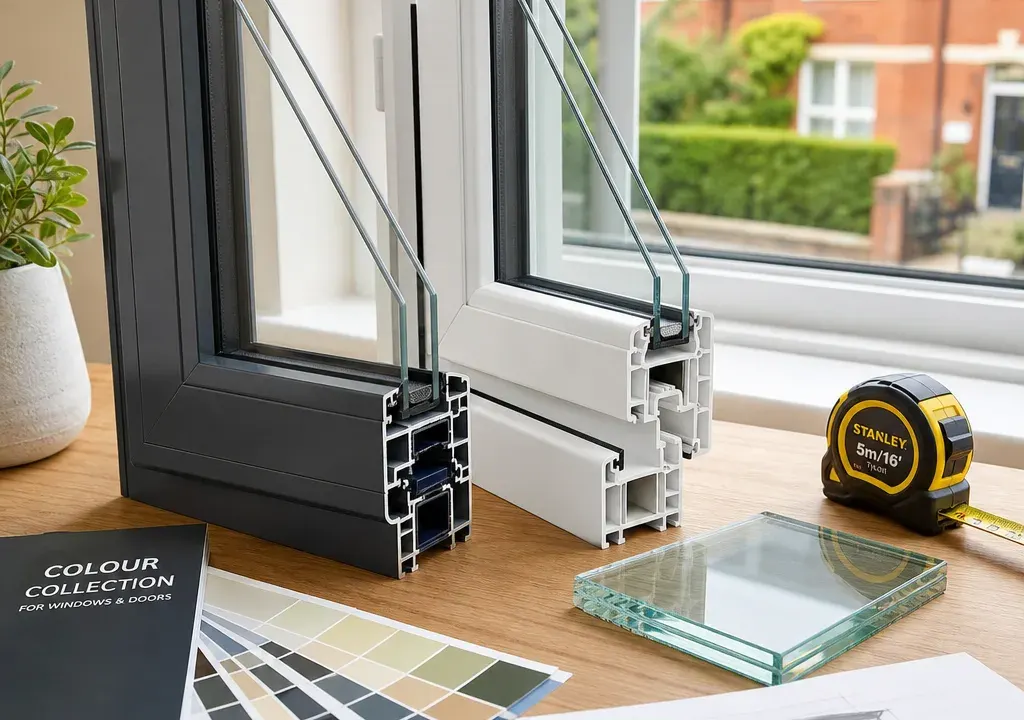
Aluminium vs uPVC windows sounds like a simple material choice, but the listings themselves often tell a more useful story. In Windows, shoppers may see side-hung windows, roof windows, tilt windows, window sills and accessories appearing alongside complete units, so the first job is to compare like with like.
Based on the supplied catalogue examples, aluminium appears strongly in roof window and specialist listings, with several Velux aluminium roof window entries in sizes such as 55 x 78cm, 55 x 98cm, 78 x 98cm, 78 x 118cm and 94 x 160cm. The clearest uPVC example is a Crystal black right-hand side-hung window sized 610 x 820mm. That does not mean one material is universally better; it means your decision should start with the type of window you actually need.
This guide uses catalogue data, price and value signals, retailer availability and merchandising signals. It does not imply physical product testing, and prices or offers should always be checked again before purchase.
If you are replacing a standard vertical wall window, a uPVC side-hung window may be the more straightforward shortlist when the size, handing, colour and glazing match your existing opening. The supplied Crystal uPVC listing, for example, is a black right-hand side-hung clear window at 610 x 820mm, which gives you several important checks in one title: material, colour, opening direction, glazing description and size.
If you are shopping for Roof Windows, Tilt Windows or related loft and extension applications, the aluminium listings become more prominent in the supplied examples. Velux aluminium roof window listings include compact and larger sizes, and some specify triple-pane glazing. That makes aluminium worth considering where the window format and roof installation requirements point you in that direction.
The main buying mistake is comparing an aluminium roof window with a uPVC side-hung wall window as if they are substitutes. They usually solve different problems. Start with the location, opening method and size, then compare material and offer details.
The catalogue examples show a wide spread of listed prices, from lower-priced accessories and smaller specialist items through to larger roof and tilt window listings. Some products show discount percentages in the catalogue snapshot, including aluminium and uPVC examples, but those should be treated as value signals rather than a guarantee of the live price today.
For aluminium examples, the supplied data includes a Valeo aluminium side-hung triple-pane listing, several Velux aluminium roof window listings, and a larger Velux aluminium tilt window. The Velux roof window entries sit across multiple sizes, which is useful because size can affect the final cost as much as material. A smaller listed roof window should not be compared directly with a much larger tilt window without considering the dimensions and fitting requirements.
For uPVC, the Crystal side-hung listing has a higher listed price than several of the smaller aluminium catalogue entries, but it is also a different kind of product. A domestic side-hung window with colour and handing details should be compared with similar side-hung windows, not with roof window accessories or flashing-related entries.
A good comparison is not simply the lowest price. Check whether the listing is a complete window, a roof window component, a sill, a pole, or another accessory. The supplied candidates include a telescopic pole for a skylight and solid wood window sills, both of which may appear in a Windows search but are not alternatives to a new window unit.
uPVC is often the sensible shortlist for standard replacement windows where you want a defined frame colour, a familiar domestic style and a direct match for an existing wall opening. In the supplied examples, the uPVC option is a black, right-hand side-hung clear window. That is the sort of listing where the decisive details are size, handing, colour, opening style and glazing description.
Choose uPVC first if you are looking at Side-Hung Windows and the listing gives you the exact dimensions you need. Handing matters: a right-hand side-hung window is not interchangeable with a left-hand version if your room layout, hinges or opening direction require the opposite. Colour also matters because black, white, grey and wood-effect finishes can change both the look of the room and how well the window matches existing frames.
uPVC can also be a useful choice when you want to keep the comparison simple. If two uPVC windows share the same size, glazing description and opening style, you can compare retailer availability, listed offer signals, product images and whether the title makes the specification clear.
Aluminium is worth prioritising when the available listings line up with a specific window style you need, especially in Roof Windows and some Tilt Windows. The supplied examples include multiple Velux aluminium roof window listings with clear size references such as 55 x 78cm, 55 x 98cm, 78 x 98cm and 78 x 118cm. That spread makes it easier to shortlist by aperture rather than simply browsing by brand or material.
Aluminium may also appear in specialist or technical listings, so read carefully. A catalogue title might include aluminium, triple-pane, roof window or side-hung details, but it may also be a component, accessory or model-specific item. Before comparing an aluminium product with a uPVC one, check that both are actually complete windows intended for the same type of installation.
If your project involves a loft room, extension roof or sloped ceiling, compare Roof Windows, Top Hung Windows and Tilt Windows separately from standard vertical wall windows. The best material choice will depend on the window format available in the size you need.
The supplied catalogue includes both double-pane and triple-pane descriptions. Some aluminium listings mention triple-pane glazing, while one Velux wood tilt window example specifies double-pane. These terms are useful filters, but do not treat them as the only measure of performance. You still need to check the full product specification provided by the retailer before deciding.
When comparing two windows, keep glazing consistent wherever possible. A triple-pane aluminium roof window in one size is not directly comparable with a clear uPVC side-hung window in another size. If insulation, noise reduction or room comfort is important to your project, use the glazing description as a prompt to inspect the retailer’s full technical details rather than making assumptions from the title alone.
For buyers, the practical rule is simple: compare material, size, opening style and glazing together. If any one of those changes, you are no longer comparing equivalent options.
Colour options are especially important if the new window will sit next to existing frames. The supplied uPVC example is listed as black, which could be ideal for a modern exterior or unsuitable if the rest of the property has white or natural-effect frames. A good offer is less useful if the finish does not match your home.
Many roof window listings focus more on model, size and glazing than decorative colour in the product title. That does not mean finish is unimportant; it means you may need to open the retailer’s product detail information and confirm the interior and exterior finish before buying.
If you are comparing Window Shutters, Window Sills or other surrounding products at the same time, make sure the frame colour, sill material and room finish work together. The supplied catalogue includes solid wood oak window sills, which may be relevant to a wider renovation, but they should be priced and assessed separately from the window itself.
The supplied examples come from several retailers, and the mix includes roof windows, side-hung windows, sills and accessories. That is useful for choice, but it means availability should be checked with a critical eye. A retailer may carry a relevant brand or size, while another may surface an accessory that only works with an existing window.
When comparing offers, look for clear product images, complete titles, size information, glazing description and whether the listing identifies the window type. Listings with stronger merchandising signals, such as a product image and visible discount information, can be easier to compare, but they are not automatically the best fit for your home.
If you are choosing between aluminium and uPVC, retailer availability should help you narrow down the shortlist, not override the specification. The right window is the one that fits the opening, suits the installation type and has the finish and glazing you actually want.
First, confirm the window type: side-hung, sliding, fixed, roof, tilt or top hung. Material only matters once the format is correct.
Second, measure carefully and compare exact dimensions. A 55 x 98cm roof window and a 610 x 820mm side-hung window are not competing products, even if both appear in Windows results.
Third, check opening direction and operation. Right-hand side-hung, tilt, top hung and roof window mechanisms suit different rooms and access needs.
Fourth, compare glazing descriptions, but verify the full specification with the retailer. Double-pane, triple-pane and clear glazing labels are helpful, yet they are not a substitute for full product details.
Fifth, separate complete windows from accessories. Poles, sills and installation-related products may be useful, but they should not be counted as window alternatives when comparing prices.
Finally, compare live offers, retailer availability and delivery or collection options before committing. Catalogue prices and discounts can change, so use them as signals rather than fixed promises.
Not automatically. Aluminium may be the better shortlist for certain roof window or specialist listings, while uPVC can be a straightforward option for standard side-hung replacement windows. The better choice depends on size, opening style, glazing, colour and whether the listing is a complete window.
You cannot assume that from material alone. The supplied catalogue examples include very different product types and sizes, so a lower listed price may reflect an accessory, a smaller roof window or a different specification. Compare equivalent products before judging value.
Start with the window type and size. Once you know whether you need a side-hung window, roof window, tilt window or another style, compare material, glazing, colour, handing and retailer availability.
Triple-pane listings may be attractive for some projects, but they should be compared with the full specification and the correct window type. A triple-pane roof window and a clear uPVC side-hung window are not direct substitutes if they are for different openings.
Windows searches can include related products such as telescopic poles, window sills and installation components. These may be useful for a project, but they should be separated from complete window units when comparing prices and specifications.
For most buyers, the aluminium vs uPVC decision should come after the practical checks: where the window will be fitted, what size is required, how it opens, what glazing is listed and which finish suits the property.
Choose uPVC when a standard side-hung or replacement-style listing matches your measurements, colour and handing. Choose aluminium when the right product is a roof, tilt or specialist window available in the size and glazing specification your project needs. Then compare products and offers carefully, making sure each listing is a genuine like-for-like alternative before you buy.
