Loading buyer guide
Hurry, don't miss savings on selected furniture & more.* Shop all offers
Collagen and protein wording can make bone broth sound different from stock, but the buying decision still comes down to use, portion size, salt, ingredients and value against other Food & Drinks options.
Use our barcode scanner to match products instantly to find the best prices, find products with ease using our voice search and build wish lists and your favourites at the click of a button.
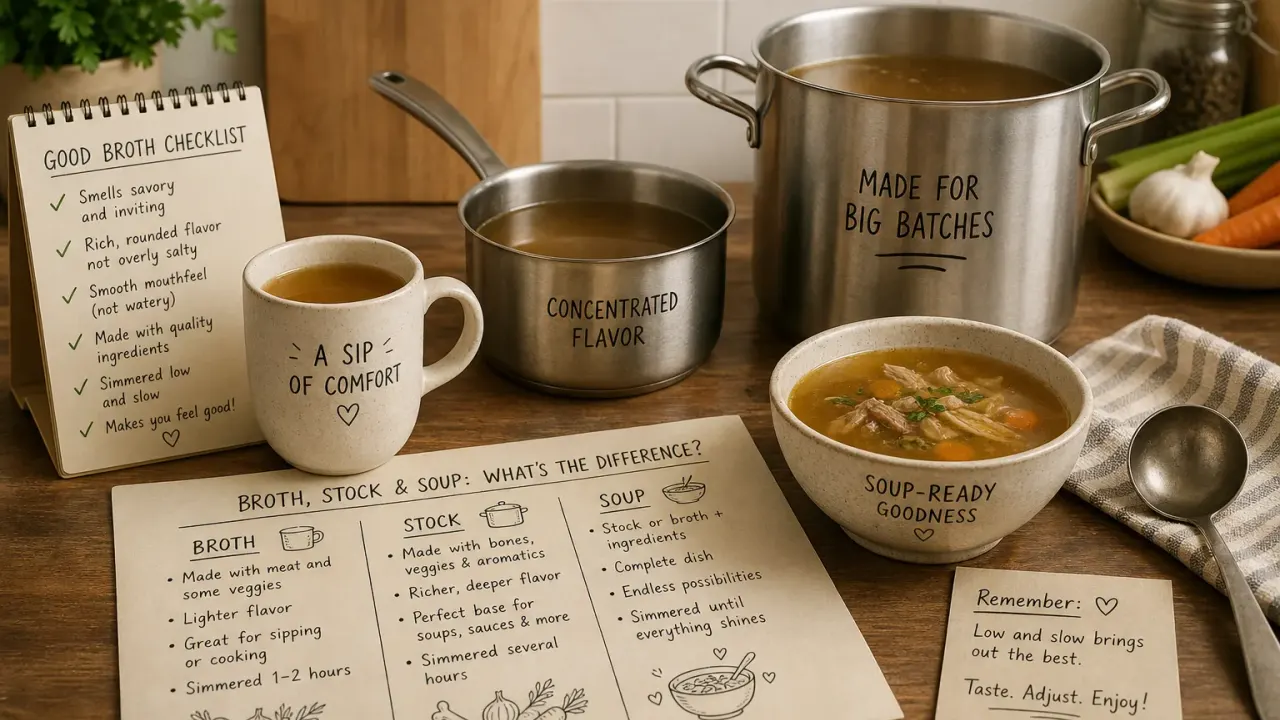
Bone broth is often marketed in a way that makes it feel more specialised than ordinary stock, but for shoppers the first question is simple: are you buying it to cook with, drink, or use as a quick soup base?
The verified Food & Drinks development available here concerns a Spiced Apple Pie retail cocktail from Rythmik Cocktails and Żubrówka Bison Grass vodka, not a broth or stock launch . That means any specific claims about a new branded bone broth range should be checked on the product page or pack before you buy.
The more useful approach is to compare bone broth alongside Broth & Stock products by label, portion and purpose. That helps you decide whether it belongs in the cupboard, the fridge, a lunch routine or not in your basket at all.
If you want a cooking base, compare bone broth with ordinary stock first. Ask whether it will be used in risotto, gravy, sauces, stews or noodle bowls. A more expensive broth may not be worth choosing if most of its flavour will be hidden behind other ingredients.
If you want a quick lunch, compare it with soup and ready-to-drink savoury options. In that case, the pack size, heating instructions, salt level and whether it is filling enough matter more than whether it sits near stock on the shelf.
If you want a protein-led drink, treat the label like you would any other nutrition-focused Food & Drinks product. Look at the grams of protein per serving, not just front-of-pack wording, and compare it with other foods or drinks you already use for the same purpose.
Collagen wording can make a broth feel premium, but the shopper-friendly check is whether the pack gives a clear amount per serving and whether that serving matches how you will actually consume it. A claim is less useful if the suggested portion is smaller than the amount you would pour into a mug or pan.
Protein comparisons should be made per serving and per 100ml where shown. Per-serving figures help you understand what you will get in one mug or pouch, while per-100ml figures make it easier to compare different pack sizes.
Do not assume that a broth with protein wording will replace a meal. If you are buying for lunch, check whether you would need to add noodles, rice, vegetables, pulses, meat, tofu or bread to make it satisfying.
Broths and stocks are often used in recipes where other salty ingredients may already be present. If you are cooking with soy sauce, cured meat, cheese, miso or shop-bought sauces, compare salt levels carefully before choosing a concentrated or strongly seasoned option.
The ingredients list can also tell you how flexible the broth will be. A simply flavoured chicken or beef broth may suit more recipes, while a heavily seasoned option might be better as a drink or instant soup but less adaptable in sauces.
For family cooking, consider whether one pack suits everyone at the table. Strong flavours, visible fat, spice, herbs or a meaty aroma may be welcome in some meals and less useful in others.
Bone broth can be sold in formats that behave differently in the kitchen: ambient cartons, chilled pots, pouches, concentrates or single-serve drinks. The best value is not just the lowest shelf price; it is the format you will finish without waste.
For cooking, larger packs may be convenient if you batch-cook. For a work lunch, single portions may be easier, but they can be less flexible. For occasional use, a smaller pack may beat a larger one that sits open and unused.
Use live product comparisons for current offers and availability, but compare like with like. A multipack drink, a cooking stock and a soup-style broth may all appear under Broth & Stock, yet they solve different shopping problems.
Choose ordinary stock if you mainly need background flavour for gravy, casseroles, pies or sauces. In those meals, paying extra for a drinkable broth may not change the final result enough to justify the switch.
Choose bone broth only if its specific label details match your use: the serving size suits you, the protein information is meaningful for your diet, the flavour works on its own, and the pack format fits your routine.
If you are unsure, buy one small pack before committing to a multi-pack or larger order. Try it once as a drink and once in a recipe, then compare whether it performed better than your usual stock or soup option.
For shopping purposes, compare them by use rather than by name. Stock is usually bought as a cooking base, while bone broth is often positioned for drinking as well as cooking. The label, nutrition table and serving instructions are the deciding factors.
Only if the pack gives useful information and you value it for your own diet. Check the amount per serving, the serving size, the protein figure and the ingredients before treating collagen wording as a reason to spend more.
Sometimes, but it depends on the product and your appetite. Compare portion size, salt, protein and whether you would need to add extras such as noodles, vegetables, rice or bread.
Start with purpose: cooking base, drink or quick meal. Then compare serving size, salt, ingredients, storage format and live offers. That order prevents a health-led claim from distracting you from how the product will actually be used.
Bone broth can be a useful Food & Drinks buy, but only when it fits a clear role. If you need a cooking base, benchmark it against stock. If you want lunch, compare it with soup. If you want a protein-led drink, read the nutrition panel carefully.
Until a specific product’s pack details are in front of you, avoid buying on collagen or protein wording alone. The smarter comparison is practical: what you will use, how often you will use it, and whether the format offers better value than the alternatives already on the shelf.