Hurry, don't miss savings on selected furniture & more.* Shop all offers
47 Products



SEM Simple steel Sewing Machine Presser Foot Narrow Zipper Presser Foot
Sem

Hemline twin universal sewing machine needles 80/12, 2.0mm (1 piece) 5 packs
Hemline
Hemline twin ball point sewing machine needles 80/12, 4mm (1 piece) 5 packs
Hemline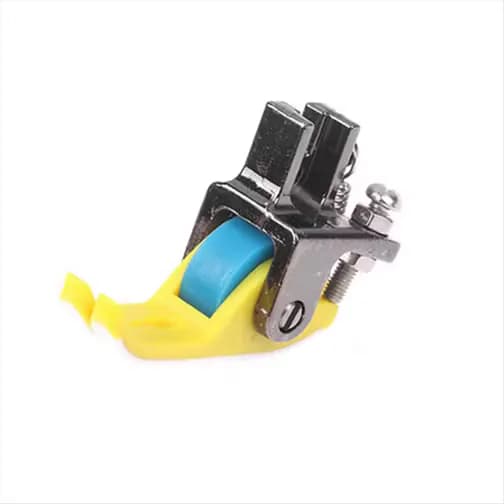
Kopinma Universal Industrial Sewing Machine Leather Roller Wheel Presser
KopinmaSewing Machines: Your essential buying guide
Beginners are usually best served by a sewing machine with simple controls, clear stitch selection, adjustable stitch length and width, and a reliable straight and zigzag stitch. Extras such as an automatic needle threader, speed control and a one-step buttonhole can make learning easier, but a very large stitch menu is not always necessary when starting out.
A mechanical sewing machine uses dials and levers, making it straightforward and often appealing for basic repairs, hems and simple projects. A computerised sewing machine may offer more stitch options, digital selection, memory functions or automatic settings, which can be useful for dressmaking, quilting and decorative sewing.
For dressmaking, look for adjustable stitch length and width, a good range of utility stitches, buttonhole functions, a zip foot, a buttonhole foot and the ability to handle different fabric weights. A free arm is helpful for sleeves and trouser hems, while speed control can help with curves and detailed seams.
Some sewing machines are better suited to thicker fabrics than others. If you plan to sew denim, canvas or layered materials, check for a strong motor, suitable needle compatibility, adjustable presser foot pressure and a stable build. Always match the needle, thread and stitch settings to the fabric for better results.
Useful included accessories can include spare bobbins, needles, a seam ripper, screwdrivers, a dust cover and a selection of presser feet such as a zip foot, buttonhole foot and general-purpose foot. Compare what comes in the box, as buying extra feet or accessories separately can affect overall value.

Sodial Sewing Machines Extension Table for Singer 44S 4411 4423 4452 5511 5523 5532 6335
Sodial

Hemline automatic bobbin winder sewing thread stitch haberdashery gift
Hemline

12 stitch multi-function sewing machine household sewing machine electric sew
Choosing a sewing machine is easier when you match the machine to the projects you actually want to make. Think about your skill level, the fabrics you use most, and whether you need simple repair functions or more creative stitch options.
For occasional repairs, hems and simple household sewing, a basic mechanical sewing machine with essential stitches may be enough. Look for clear stitch controls, a reverse stitch function and simple threading instructions.
For regular dressmaking, craft projects or quilting, it can be worth comparing machines with more stitch choices, speed control, automatic buttonholes and a larger work area. These features can make longer sessions more comfortable and give you more flexibility as your skills develop.
Most everyday sewing relies on a straight stitch, zigzag stitch, stretch stitch and buttonhole function. Decorative stitches can be useful for creative projects, but they should not be the only reason to choose a machine.
If you sew jersey, sportswear or other stretch fabrics, check for stretch stitches and consider whether the machine offers adjustable tension and presser foot pressure. These settings can help you adapt the machine to different materials.
Features such as an automatic needle threader, top-loading bobbin, built-in thread cutter and simple stitch display can make sewing feel less fiddly. These are especially useful if you sew often or are still building confidence.
Speed control is another practical feature, particularly for beginners and detailed work. It lets you slow the machine down for corners, curves and buttonholes without relying only on foot pedal pressure.
If you plan to sew a mix of lightweight cotton, denim, upholstery-style fabric or layered projects, compare the machine’s fabric handling features. A stable base, compatible needle sizes and suitable presser feet all matter when working with varied materials.
A free arm is useful for sewing sleeves, cuffs, trouser hems and smaller circular pieces. Quilters and crafters may also want to compare throat space, extension table compatibility and feed dog control.
Sewing machines vary in size and weight, so consider whether it will stay set up or be stored between uses. If you need to move it often, compare portability, handle design and whether a protective cover is included.
For a more organised sewing area, it may also help to browse wider home storage and accessory options alongside your machine, especially for keeping threads, patterns and tools tidy.
Use our barcode scanner to match products instantly to find the best prices, find products with ease using our voice search and build wish lists and your favourites at the click of a button.