Hurry, don't miss savings on selected furniture & more.* Shop all offers
6 Products
Remington Shavers: Your essential buying guide
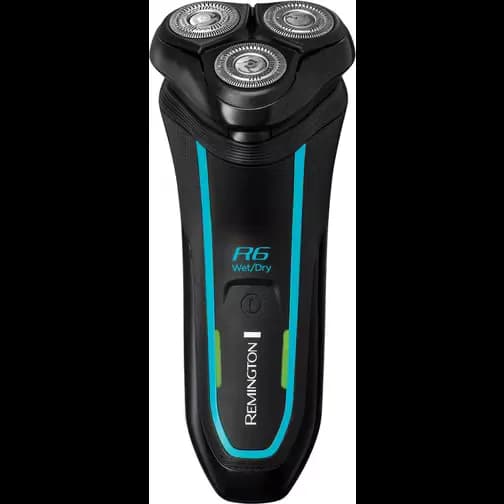
Foil shavers use straight cutting blades behind a thin foil, which can suit precise, back-and-forth shaving. Rotary shavers use circular heads that move across facial contours, which may suit varied growth directions and curved areas. The better choice depends on your shaving style, hair growth pattern and comfort preference.
A wet-and-dry shaver is useful if you want the option to shave with foam, gel or in the shower, where the model is designed for it. If you only shave dry at a mirror, a dry-use shaver may be enough. Always check the product’s waterproof rating and cleaning instructions before comparing.
Battery life matters if you travel, shave frequently or prefer not to charge after every use. Look at run time, charging time and whether a quick-charge function is available. If you mainly shave at home, a charging stand or corded-use option may be more convenient.
Many electric shavers need replacement foils, cutters or heads over time to maintain performance and comfort. Before choosing a shaver, check whether compatible replacement heads are easy to identify and whether the expected replacement schedule suits your budget.
No. A shaver is generally designed to cut hair very close to the skin for a clean-shaven finish. A trimmer is better for shaping, edging and maintaining stubble or longer hair. If you want both functions in one product, compare combined shavers and trimmers instead.
The right shaver depends on where you shave, how close a finish you want and how much maintenance you are comfortable with. Use ShopSmarty to compare suitable options and spot sales across the shavers category without treating every grooming tool as the same thing.
Foil shavers can be a strong choice for straight, controlled strokes and neat shaving around edges. Rotary shavers are designed to move over contours and may feel more natural if you shave in circular motions.
If you shave daily, comfort and speed may be more important than extra attachments. If you shave less often, check how well the shaver handles longer stubble before committing.
Some shavers are made for dry shaving only, while others support wet shaving with foam or gel. Wet-and-dry models can add flexibility, but the details matter: waterproof cleaning is not always the same as safe shower use.
Look for clear information on whether the shaver can be rinsed under the tap, used in the shower or only cleaned with a brush. This helps avoid choosing a model that does not fit your bathroom routine.
Cordless shavers are convenient for travel and quick use, but compare run time, charge time and any quick-charge feature. A display or indicator can also help you avoid running out of power mid-shave.
If you want a shaver mostly for home use, consider whether a charging stand, travel lock or storage pouch would make daily use easier.
A shaver that is simple to clean is more likely to stay comfortable and effective. Some models use removable heads, rinse-clean designs or cleaning stations, while others need manual brushing.
Replacement foils, cutters or heads are worth checking before you buy. If you are comparing ongoing value, include the likely cost and availability of compatible replacement heads in your decision.
Shavers are best for a close finish. If your main aim is beard shaping, edging, stubble control or trimming body hair to a chosen length, a trimmer may be more suitable.
If you want one device that can both shave closely and handle trimming tasks, compare combined shavers and trimmers rather than assuming a standard shaver will cover every grooming job.