
Hurry, don't miss savings on selected furniture & more.* Shop all offers
10 Products


Kookaburra Silver Galvanized Steel Bracket Clamp For 48mm Shade Sail Garden Patio Pole
Kookaburra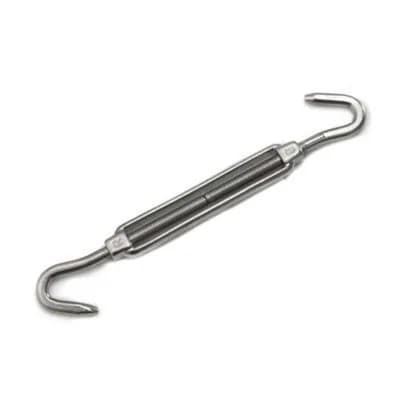
Kookaburra Silver Stainless Steel Turnbuckle With Claw Ends Shade Sail Fitting Garden Patio Fixing Accessory
Kookaburra
Kookaburra 60Cm Silver Galvanised Steel Easy Up Shade Sail Pole Holder Fitting Garden Patio Fixing Accessory
Kookaburra
Kookaburra Stainless Steel Easy Hoist Standard Fixing Kit For Shade Sail Fitting Garden Patio Accessory
Kookaburra

Kookaburra 3M Triangle Waterproof Sand Garden Patio Sun Shade Sail Canopy 98% Uv Block With Free Fixing Kit
Kookaburra
Kookaburra 5M Triangle Waterproof Charcoal Garden Patio Sun Shade Sail Canopy 98% Uv Block With Free Fixing Kit
Kookaburra

Kookaburra 6M X 5M Rectangle Water Resistant Green Garden Patio Sun Shade Sail Canopy 96.5% Uv Block With Free Rope
Kookaburra
Kookaburra 5.4M Square Waterproof Wine Garden Patio Sun Shade Sail Canopy 98% Uv Block With Free Rope
Kookaburra
Kookaburra 6M Right Angle Triangle Waterproof Charcoal Garden Patio Sun Shade Sail Canopy 98% Uv Block With Free Fixing…
Kookaburra
Kookaburra 6M X 5M Rectangle Waterproof Sand Garden Patio Sun Shade Sail Canopy 98% Uv Block With Free Fixing Kit
KookaburraKookaburra Shade Sails: Your essential buying guide
Triangular shade sails work well for smaller patios, corners and decorative coverage, while square and rectangular sails usually provide broader shade over dining sets, decking or play areas. The best choice depends on the area you need to cover and the fixing points available.
Some shade sails are water-resistant or waterproof, but not all are designed to keep rain out. Check the product details carefully, as breathable UV shade fabrics may let water pass through, while coated fabrics are better suited to light rain protection.
Measure the distance between your intended fixing points and allow extra space for tensioning hardware. A shade sail should usually be slightly smaller than the full span so it can be pulled taut without sagging.
Many shade sails are designed for seasonal outdoor use, but strong wind, heavy rain, snow and prolonged harsh weather can put strain on the fabric and fixings. It is often sensible to remove or store the sail during severe weather or over winter.
Some shade sails include ropes, turnbuckles or fixing kits, while others are supplied as the fabric sail only. Always check what is included so you know whether you need to buy wall brackets, posts, carabiners or tensioners separately.
A good shade sail should suit the area you want to cover, the way your garden is used and the fixing points you have available. Comparing size, fabric, shape and installation requirements will help you narrow down the most suitable options.
Start by deciding exactly where you want shade, such as above a garden table, outdoor sofa, children’s play area or hot tub. Triangular sails are useful for angled spaces and smaller zones, while square and rectangular sails tend to cover a wider area.
Remember that the sail needs to be tensioned, so the fabric should not be the same size as the full distance between fixing points. Leave room for ropes, turnbuckles or other tensioning parts.
For sunny spots, look for UV-resistant fabric and a dense weave that helps reduce direct sunlight. Breathable materials can feel cooler underneath because they allow air to pass through.
If rain cover matters, check whether the sail is described as waterproof or water-resistant. A waterproof sail should be installed with a slope so water can run off rather than pool in the middle.
Shade sails need strong, secure fixing points such as solid walls, sturdy posts or purpose-made brackets. The sail should be pulled taut to reduce flapping and sagging.
If your garden does not already have suitable fixing points, factor in the extra parts you may need. Posts, wall plates, hooks and tensioners can affect both the installation and the final position of the shade.
If the sail will sit above outdoor chairs, loungers or a dining set, check the coverage at the time of day you use the space most. The sun moves, so a sail positioned for lunchtime shade may not cover the same area in the evening.
For larger seating areas, a rectangular sail or overlapping multiple sails may give more consistent shade than one small triangular design.
Neutral colours such as beige, grey and cream can blend easily with patios and outdoor furniture, while darker or brighter shades can create a stronger design feature.
Also consider maintenance. Pale fabrics may show marks more easily, while darker shades can feel bolder and may visually lower the space if used over a compact area.