
Hurry, don't miss savings on selected furniture & more.* Shop all offers
4 Products
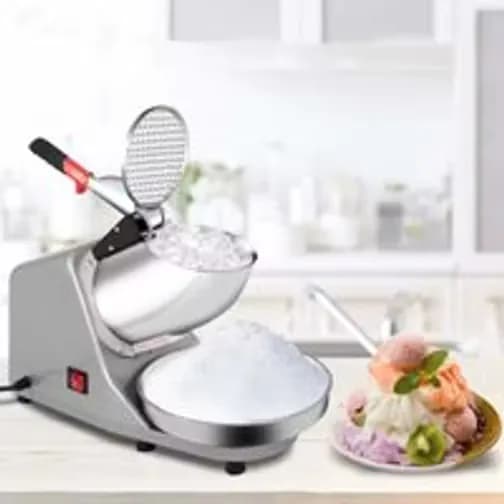


Costway Electric Ice Crusher Snow Cone Maker Stainless Steel Shaved Ice Machine Home uk
CostwayCostway Ice Makers: Your essential buying guide
For occasional drinks, a compact countertop ice maker with a modest daily output is usually enough. If you regularly host guests, make cocktails or need ice for cool boxes, compare higher-output models with larger baskets and water tanks so you are not refilling as often.
Many portable ice makers produce ice quickly but do not work like a freezer. The ice basket may be insulated, but unused ice can gradually melt and recycle back into the water tank. Check the product details if long-term ice storage is important.
Common options include bullet-shaped ice, small and large cubes, and sometimes nugget-style ice depending on the model. Bullet ice is popular for everyday drinks, while nugget ice is often chosen for softer, chewable texture. Compare the available ice shape and size settings before buying.
Most countertop ice makers need regular draining, wiping and descaling to keep the machine hygienic and efficient. Look for features such as a drain plug, removable basket, self-cleaning cycle or clear cleaning instructions if low-maintenance use matters to you.
Measure the available worktop space, including height under wall cupboards, and check that there is room around the vents for airflow. Also consider the weight when full, access to a socket, water filling method and whether the noise level is suitable for your kitchen or entertaining area.
Choosing an ice maker is mainly about matching output, capacity and convenience to the way you use ice. A small machine can be ideal for casual drinks, while frequent entertainers may benefit from faster production and a larger basket.
Daily output tells you how much ice a machine can produce over a set period, but your real experience will depend on room temperature, water temperature and how often you empty the basket. For occasional soft drinks, a smaller output may be enough; for parties or summer entertaining, compare models that can produce ice more quickly and consistently.
Also check the first-batch time if you want ice soon after switching the machine on. Fast production can be useful, but basket capacity matters too, as a small basket will need emptying more often.
Most domestic ice makers are designed for countertop use, so measure your available space before comparing models. Allow room for the lid to open, for ventilation, and for easy access when filling with water or removing the basket.
If you plan to move the ice maker between the kitchen, utility room or garden room, compare the weight, handle design and footprint. A compact model may be more practical if storage space is limited.
A larger water tank can reduce refilling, which is helpful when making several batches. A larger ice basket can also make hosting easier because you can collect more ice before transferring it to a freezer or ice bucket.
If you only need a few cubes at a time, a smaller tank and basket may be simpler to manage and easier to clean. Balance capacity against the space the appliance will take up in your kitchen.
Ice makers can vary in the style of ice they produce. Bullet ice is common and works well for everyday cold drinks, while machines with multiple size settings let you choose smaller pieces for quick chilling or larger pieces for longer-lasting drinks.
If you have a specific use in mind, such as cocktails, iced coffee or filling cool boxes, compare the ice shape carefully rather than choosing on output alone.
Regular cleaning helps prevent scale build-up and keeps ice tasting fresh. Useful features can include a drain plug, removable ice basket, visible water level and a self-cleaning programme.
If you live in a hard water area, descaling may be needed more often. Check the care instructions and whether the machine is straightforward to empty before you buy.
Ice makers include pumps, fans and moving parts, so some operating noise is normal. If the appliance will sit in an open-plan kitchen or be used during gatherings, compare noise information where available and look for practical indicators such as full-basket alerts or low-water alerts.
Simple controls, a clear viewing window and accessible buttons can make a big difference if you expect to use the machine regularly rather than only for special occasions.





