Hurry, don't miss savings on selected furniture & more.* Shop all offers
3 Products
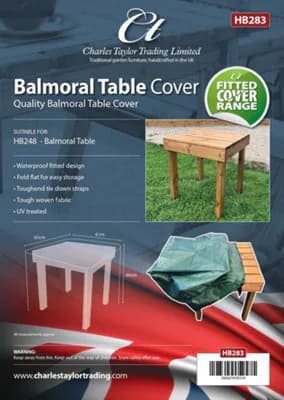

Charles Taylor Balmoral Side Coffee Table Outdoor Furniture Fitted Cover Green
Charles TaylorCharles Taylor Furniture Covers: Your essential buying guide
Measure the full width, depth and height of the furniture as it will be covered, including arms, backs, stacked chairs or cushions if they are staying in place. Compare those measurements with the product listing and allow a little extra room so the cover can slip on easily without pulling tightly at the seams.
For regular outdoor use, look for durable weather-resistant fabrics such as coated polyester, Oxford fabric or PVC-backed materials. Check the listing for details on water resistance, UV resistance, lining and seam construction, as these can affect how well the cover performs over time.
Not always. Water-resistant covers are designed to repel light rain and splashes, while waterproof covers should offer a higher level of protection. Always read the product details carefully, including seam information, because stitching, zips and ventilation points can influence how much moisture gets through.
Vents can be useful because they help reduce trapped condensation and improve airflow under the cover. This is particularly helpful when covering wooden, metal or cushioned furniture for longer periods, although ventilation should be balanced with a secure fit to limit rain being driven inside.
Choose a cover with secure fastenings such as drawcords, toggle hems, straps, buckles or click-close clips. In exposed gardens, a snug shape and multiple fixing points can be more reliable than a loose oversized cover, so compare closure styles as well as dimensions.
The best furniture cover is the one that fits your outdoor furniture properly and suits how often you need to use it. Compare the shape, material and securing method alongside the measurements so you can narrow down covers that are practical for your garden layout.
Start with the item you want to protect. A round patio table, rectangular dining set, stacked chairs, bench, parasol or corner sofa will each need different proportions, so avoid choosing by label alone.
For dining and lounge sets, check whether the cover is designed to go over the whole arrangement or individual pieces. If cushions are left outside, allow extra height and depth so the cover does not sit too tightly over the fabric.
Compare the listed length, width, depth and height with your own measurements. A cover that is too small may pull at the seams, while one that is far too large can sag, collect rainwater or catch the wind.
Look at the cover’s shape as well as its size. Tapered chair covers, dome-style table covers and fitted sofa covers may sit more neatly than a simple rectangular sheet, depending on the furniture underneath.
For furniture kept outdoors for long periods, prioritise robust weather-resistant fabric, reinforced stitching and a protective coating or backing. Product listings may mention features such as UV resistance, frost resistance or wipe-clean finishes, so compare these details before deciding.
If you only need a cover for occasional showers or short-term storage, a lighter cover may be easier to lift on and off. Heavier covers can feel more protective but may be bulkier to fold and store when not in use.
Drawcord hems, toggles, straps and buckles help keep the cover in place when the weather turns. This is especially important for exposed patios, balconies and gardens where wind can get underneath loose fabric.
A close fit is useful, but the cover should still be easy to remove without dragging over corners or snagging on chair backs. If you cover furniture frequently, handling and fastening style can matter as much as fabric thickness.
Ventilation panels can help reduce condensation under the cover, particularly during damp weather or longer storage periods. They are worth comparing if you are covering wooden furniture, metal frames or cushioned pieces.
When the cover is not in use, it should fold down to a manageable size. Check whether the listing includes a storage bag or notes on care, cleaning and drying, as this can make day-to-day use simpler.