Hurry, don't miss savings on selected furniture & more.* Shop all offers
404 Products
Fridges: Your essential buying guide
Choose a mini fridge if you need compact extra storage, an integrated fridge if you want the appliance hidden behind a kitchen cabinet door, or a freestanding fridge if you want a flexible standalone option. The best choice depends on your available space, kitchen layout and how much fresh food you usually store.
Think about your household size, shopping habits and whether you already have separate freezer space. Smaller fridges can suit occasional use or extra drinks storage, while larger larder-style fridges are better for households that buy fresh food regularly or batch-cook meals.
Measure the height, width and depth of the space, including any skirting boards, worktops or cupboard frames. Also check there is room for ventilation and that the door can open fully without hitting walls, cabinets or nearby appliances.
Not always. Integrated fridges are designed to fit inside kitchen cabinetry and usually need matching cabinet dimensions, fixings and ventilation space. Freestanding fridges sit independently, so the main checks are external dimensions, door clearance and the position of the plug socket.
Useful features to compare include adjustable shelves, door storage, salad drawers, interior lighting, reversible doors, temperature controls and energy rating. The right mix depends on whether you prioritise flexible storage, neat installation, lower running costs or compact convenience.
Showing 50 of 404
A good fridge should fit your space, suit your shopping routine and make everyday food storage easier. Before comparing models, decide whether you need a compact, built-in or standalone design, then look at capacity and features.
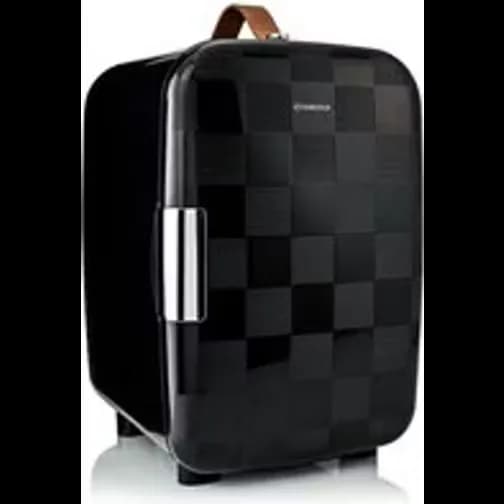
Start with where the fridge will be placed. A mini fridge can work well as secondary storage in a home office, bedroom, utility room or entertainment area, especially for drinks and snacks.
Integrated fridges are designed for fitted kitchens where a seamless look matters, while freestanding fridges are easier to position and can usually be moved more simply if your layout changes.
Capacity is one of the most important fridge comparisons. If you shop little and often, you may not need a very large fridge, but households that store fresh produce, chilled drinks, lunch items and leftovers will benefit from more internal space.
Look beyond the headline capacity and check how the space is arranged. Adjustable shelves, wide door balconies and dedicated drawers can make a fridge more practical than a similar-sized model with less flexible storage.
Measure the available space carefully before shortlisting fridges. Width, height and depth all matter, and you should allow suitable clearance around the appliance according to the manufacturer’s installation guidance.
Door opening is easy to overlook. Consider whether the hinge side works for your kitchen and whether a reversible door would make access easier, particularly in narrow galley kitchens or corners.
Think about what you store most often. Salad drawers help separate fruit and vegetables, adjustable shelves make room for taller items, and strong door storage is useful for milk, cartons, jars and condiments.
Interior lighting, easy-clean shelves and clear drawer fronts can make day-to-day use simpler. If the fridge is for drinks or occasional use, compact shelving and can or bottle storage may matter more than full food organisation.
Fridges run continuously, so energy rating is worth checking when comparing options. A model that suits your actual storage needs is usually more sensible than buying more capacity than you will use.
Also consider noise level if the fridge will be placed in an open-plan kitchen, bedroom, office or living area. This can be especially important when comparing compact and freestanding designs for flexible spaces.
Use our barcode scanner to match products instantly to find the best prices, find products with ease using our voice search and build wish lists and your favourites at the click of a button.