Hurry, don't miss savings on selected furniture & more.* Shop all offers
8 Products






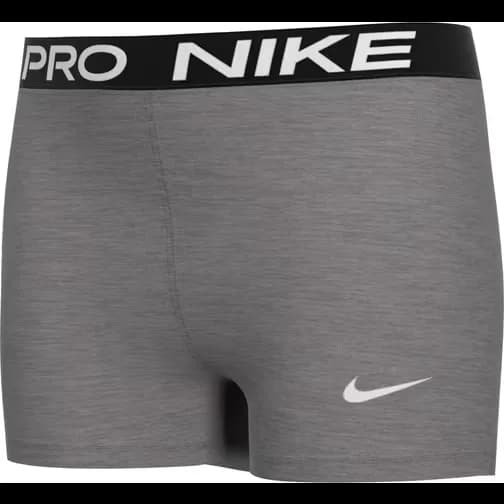
Nike Older Kid's Dri-FIT Multi Training Shorts - Black/White (DX5382-010)
NikeNike Children's Trousers: Your essential buying guide
Focus on fit, comfort and durability. Adjustable waistbands are useful for growing children, while stretch fabric helps with movement. For school or frequent wear, check for easy-care materials, secure fastenings and sturdy seams.
Pull-on trousers can be easier for younger children, especially at nursery or primary school. Button, hook or zip fastenings may suit older children or smarter outfits, but the best choice depends on your child’s independence, comfort and the setting they’ll be worn in.
They should sit comfortably at the waist without digging in, allow movement through the hips and knees, and be the right length for the shoes they’ll be worn with. If your child is between sizes, adjustable waists or a slightly longer leg can help extend wear.
Cotton blends are popular for comfort and everyday use, while polyester blends can be practical for school because they are often easier to care for. Stretch fabrics add flexibility, and thicker weaves can be useful for cooler weather or rougher play.
Some plain, neutral trousers can work for both, particularly in black, navy or grey. However, school trousers may have a smarter cut, while casual styles often include softer fabrics, cargo pockets, elasticated waists or relaxed fits.
Children's trousers need to balance comfort, practicality and the occasion. Before comparing styles, think about when they’ll be worn, how much movement your child needs and how often the trousers will go through the wash.
For school, look for neat trousers in uniform-friendly colours with easy-care fabrics and a comfortable waistband. For everyday wear, softer pull-on trousers, chinos or cargo-inspired designs may give children more freedom to run, climb and relax.
Smarter trousers can be useful for parties, family events or occasions where jeans feel too casual. A simple straight-leg or tapered pair in a neutral shade is often easier to pair with shirts, polos or knitwear.
Adjustable waists are especially helpful when children are between sizes or have a slimmer or broader fit than standard sizing allows. Elasticated backs and pull-on designs can make dressing quicker and more comfortable.
For older children, zip, button or hook fastenings can look smarter, but they should still be easy to manage. If trousers are for school, consider whether your child can fasten them independently throughout the day.
Lighter cotton-rich trousers are suitable for milder days and indoor wear, while thicker blends can feel warmer in autumn and winter. A little elastane or stretch in the fabric can make trousers more comfortable for active children.
If the trousers will be worn often, easy-care fabrics are worth prioritising. Look for materials that are designed to hold their shape and cope with regular washing, especially for uniform or nursery use.
Children grow quickly, but trousers that are too long can drag, crease or become a trip hazard. Check the inside leg measurement where available and consider whether the style is intended to sit full length, cropped or slightly tapered at the ankle.
A good fit should allow sitting, running and bending without pulling at the knees or waist. If your child is very active, relaxed or stretch styles may be more comfortable than rigid slim-fit trousers.
When building outfits, compare trouser colours and cuts with tops, jackets and layers your child already wears. Neutral trousers are often the most versatile, while brighter or patterned pairs can add variety to casual wardrobes.
If you are shopping beyond trousers, browsing wider children's clothing can help you coordinate practical outfits for school, weekends or seasonal changes.