Hurry, don't miss savings on selected furniture & more.* Shop all offers
33 Products
Camera Grips: Your essential buying guide
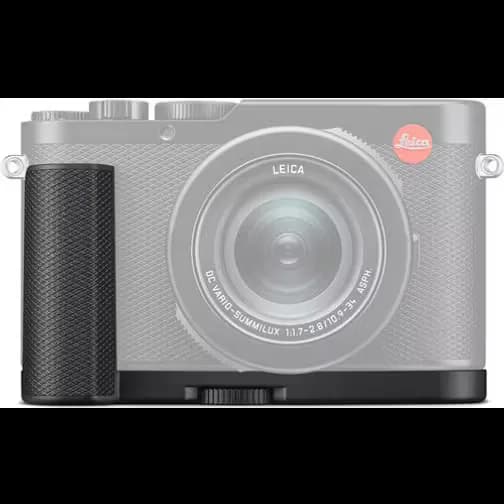
Check the grip’s stated camera compatibility before comparing anything else. Many grips are made for specific camera bodies because the tripod mount, battery door, control layout and body shape need to line up correctly.
A hand grip mainly improves handling by giving your fingers more support or a deeper hold. A battery grip usually attaches to the base of the camera, may hold extra batteries and often adds vertical shooting controls, depending on the model.
Yes, a grip can make a smaller mirrorless body easier to hold, especially with larger lenses. A slim base grip or thumb grip can add handling without making the camera feel too bulky.
Vertical controls are useful if you often shoot portraits, events or sports in portrait orientation. They can make shutter release and key settings easier to reach, but they are not essential if you mainly shoot landscape orientation or want the lightest setup.
It can if the grip is not designed well for your camera body. Compare product images and specifications for battery-door access, cable port clearance, tripod thread position and compatibility with quick-release plates or cages.
Camera grips can change how secure and balanced your camera feels, particularly during handheld shooting, travel, portraits or video work. The best choice depends on your camera body, lens size and whether you want comfort, extra power, vertical controls or mounting flexibility.
Camera grips are rarely one-size-fits-all. Start by checking the exact camera model the grip is designed for, including any generation or variant, as small differences in body shape can affect fit.
A good fit should sit flush against the camera, keep the controls accessible and avoid covering battery doors, memory card slots or connection ports you use regularly.
A hand grip or base grip is a practical choice if you want better handling without adding much weight. These are often useful for compact mirrorless bodies or cameras paired with heavier lenses.
A battery grip is better suited to longer sessions or portrait-orientation shooting, provided it is compatible with your camera. Thumb grips can be a discreet option for rangefinder-style or compact cameras where extra rear support is enough.
The right camera grip should make the camera feel more stable rather than simply larger. Consider the depth, surface texture and finger support, especially if you shoot one-handed or carry your camera for extended periods.
If you use heavier lenses, a deeper grip can help distribute weight more comfortably. If you prioritise portability, a slimmer grip may be easier to leave attached in a small camera bag.
Some grips include shutter buttons, command dials or vertical controls, while others are purely mechanical. If electronic controls are included, make sure they are intended for your camera and support the functions you need.
Also compare tripod threads, Arca-style bases, strap attachment points and cage compatibility. These details matter if you use tripods, wrist straps, camera straps or video rigs as part of your setup.
Look at the grip material, fastening method and surface finish. Metal grips can feel solid and durable, while rubberised or textured sections may improve hold in colder or damp conditions.
Before choosing, consider whether the grip can stay attached day to day. A practical camera grip should improve handling without making charging, battery changes, storage or tripod use frustrating.
Use our barcode scanner to match products instantly to find the best prices, find products with ease using our voice search and build wish lists and your favourites at the click of a button.