Finding the best skincare for oily skin is less about chasing the strongest claim and more about matching texture, ingredients and routine position to how your skin behaves during the day. A product can be well priced and from a recognisable brand, but if it feels greasy, pills under SPF or duplicates something you already own, it may not be the best buy for you.
For oily or shine-prone skin, comparison shopping is especially useful because small details matter: a “light” moisturiser may suit daytime use, a rich balm may be better kept for dry patches, and an SPF serum may feel easier to wear than a heavier cream. Current Skincare listings can include everything from face moisturisers and sun protection to lip care, body lotions, Eye Creams and Blemish Treatments, so narrowing the format first helps you avoid buying the wrong type of product just because it is on offer.
Start with the product type, not the offer
When you have oily skin, the first question is not “what has the biggest saving?” but “what role does this product play?” A Face Cleanser removes oil, SPF protects in the daytime, a moisturiser supports comfort and a treatment targets a specific concern. Buying two products that do the same job can make a routine feel heavier and more confusing.
In the supplied Skincare examples, Simple Kind to Skin Hydrating Light Moisturiser is clearly positioned as a light moisturiser, which makes it more relevant to a shopper looking for a lighter-feeling face step than, say, a body lotion or lip balm. SKIN1004 Madagascar Centella Hyalu-Cica Water-Fit Sun Serum SPF50+ PA++++ is an SPF product in a serum-style format, so it belongs in the daytime protection part of a routine rather than as a general night moisturiser.
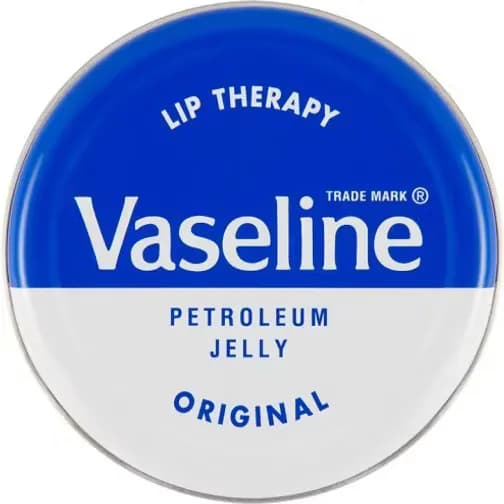
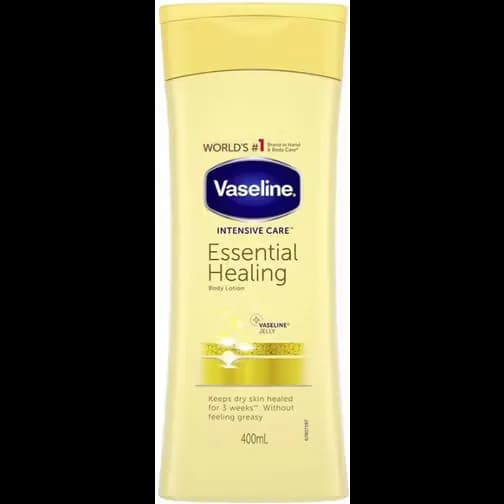
By contrast, Vaseline Lip Therapy Original, Laneige Lip Sleeping Mask EX Berry and several Vaseline Intensive Care body lotions are useful skincare products in their own categories, but they are not the most direct answers to facial oiliness. If your aim is to reduce midday shine or keep makeup sitting well, prioritise face-specific lightweight moisturisers, SPF and treatments before broader Body Care offers.
Look for lightweight, oil-free and mattifying language carefully
For oily skin, useful label cues often include “oil-free”, “mattifying”, “gel”, “water”, “fluid”, “serum”, “light” and “non-comedogenic”. These words do not guarantee a perfect match, but they help you shortlist products that are less likely to feel heavy than rich creams, balms or oils.
Be careful not to read too much into a name. “Light” tells you the brand is positioning a product as a lighter option, but you should still check the full ingredient list and usage directions before buying. Similarly, a serum format may feel appealing for oily skin, but some serums are designed for hydration, others for brightening, barrier support or anti-ageing concerns. Choose the function you actually need.
Mattifying products can be helpful if shine is your main concern, especially under makeup or during warmer weather. However, very matte finishes can feel tight on some skin types. If your skin is oily but dehydrated, a lightweight hydrating product may be a better first step than a purely oil-control product.
Compare ingredients by purpose
Ingredient lists are where oily-skin shopping becomes more precise. If you want hydration without a rich feel, look for humectants such as glycerin or hyaluronic acid on the product label. If blemishes are a concern, compare Blemish Treatments separately and check whether the product is intended for all-over use or targeted application.
For calming or barrier-focused routines, products may highlight ingredients such as centella, panthenol or ceramide-related language, depending on the formula. SKIN1004’s product title references Madagascar Centella and Hyalu-Cica, while La Roche-Posay Cicaplast Baume B5+ is presented as a balm. Those formats suggest very different use cases: one sits in a sunscreen-serum space, while the other is a richer balm-style product that many oily-skin shoppers would compare as a targeted comfort product rather than an everyday all-over daytime moisturiser.
If you are comparing Exfoliators & Face Scrubs, be especially measured. Oily skin can make exfoliation tempting, but buying several exfoliating products at once can make it harder to know what is helping. A simple cleanser, light moisturiser and suitable SPF are often easier to assess before adding stronger treatment steps.
Choose the right texture for the time of day
Daytime oily-skin products need to sit comfortably under SPF, makeup or both. Lightweight moisturisers, watery lotions and serum-textured sunscreens are often the most practical formats to compare first. A 125ml light moisturiser, such as the Simple example in the catalogue, may also be easier to judge on cost per use than a smaller premium serum, depending on how you use it.
At night, you may be able to tolerate a slightly richer texture, especially if you use treatments that leave skin feeling dry. That does not mean every oily-skin routine needs a heavy balm. Products like La Roche-Posay Cicaplast Baume B5+ may be better compared as occasional or targeted support if your skin feels compromised, rather than as the default choice for shine control.
Separate face, body and lip formats in your basket. Vaseline Intensive Care lotions are body lotions in large 400ml sizes, while Vaseline Lip Therapy and Laneige Lip Sleeping Mask are lip products. They may offer good value within their own use case, but they should not be compared directly with facial oil-control moisturisers or SPF.
Use size and price together, not separately
A low shelf price can be attractive, but oily-skin shoppers should compare size, format and likely frequency of use. A 15ml SPF serum, a 50ml essence, a 100ml balm and a 400ml body lotion are not equivalent buys, even if they appear near one another in Skincare results.
Smaller formats can make sense if you are trying a new texture, travelling, or only need a product for a specific routine step. Larger formats may be better value when you already know the product type suits you. The key is to compare the price against how quickly you will use the product and whether it genuinely belongs in your face routine.
Discount signals can be helpful, but they should not override suitability. A heavily reduced rich product is still a poor choice if you know rich products make your T-zone look shinier. Equally, a modest saving on the right lightweight moisturiser may be a smarter purchase than a dramatic-looking offer on something you will barely use.
Check stock and retailer availability before you build a routine around a product
Oily-skin routines work best when they are repeatable. If a product is only available intermittently, or appears in a small size that may sell out quickly, consider whether you are comfortable finding an alternative later. Comparing retailer availability helps you decide whether to try one product now or choose a more easily repeatable option.
Stock visibility also matters when comparing several products from the same routine step. If you are choosing between a light moisturiser and a serum-style SPF, check which one is currently available from a retailer you are happy to buy from and whether the size suits your needs. Avoid building a basket around an unavailable item simply because it looked like the best match on paper.
For broader Skincare shopping, it can help to browse by subcategory. Face Cleansers, Eye Serums, Eye Creams, Body Lotions and Cleansing Pads all solve different problems. Keeping those roles separate makes comparison clearer and reduces the chance of buying duplicate products.
A sensible oily-skin shortlist
If you are starting from scratch, compare one gentle Face Cleanser, one lightweight moisturiser, one daytime SPF and one optional targeted treatment. This gives you enough structure to manage oiliness without overloading your skin or your basket.
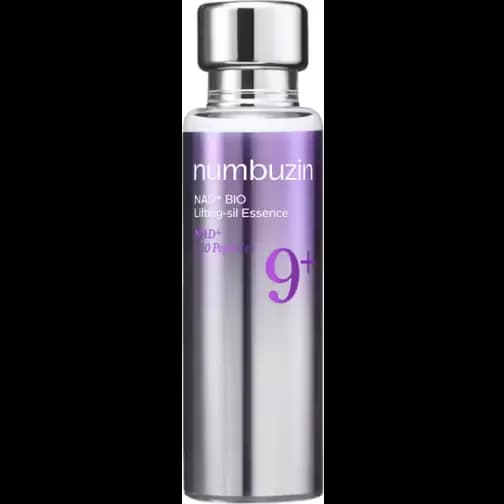
From the supplied catalogue context, a shopper focused on oily facial skin would likely shortlist face-relevant lightweight formats first: Simple Kind to Skin Hydrating Light Moisturiser for a light moisturiser comparison, SKIN1004 Madagascar Centella Hyalu-Cica Water-Fit Sun Serum SPF50+ PA++++ for daytime SPF comparison, and Numbuzin No.9 NAD Bio Lifting Sil Essence if they specifically want an essence-style step. The right choice depends on whether the gap in your routine is hydration, sun protection or a treatment-style layer.
Products such as body lotions, tanning oils, body mousse and lip masks should be compared within Body Care, Body Oils or lip-care needs rather than used to decide the best facial skincare for oily skin. They may be worthwhile offers, but they answer a different buying question.
Frequently asked questions
Is oil-free skincare always best for oily skin?
Not always, but it is a useful comparison cue. Oil-free and lightweight products are often worth considering if you dislike a greasy feel, but you should still check the full formula, texture and intended use.
Should oily skin use moisturiser?
Yes, many oily-skin routines still need moisturiser. The key is choosing a light texture that supports comfort without feeling heavy, rather than skipping hydration altogether.
Are mattifying products better than hydrating products?
They solve different problems. Mattifying products focus on reducing shine, while hydrating products help skin feel comfortable. Some oily skin is also dehydrated, so a lightweight hydrating product may be more useful than a very matte finish.
How should I compare skincare offers?
Compare the product role, size, texture, ingredient focus and availability before judging the offer. A discount is only good value if the product suits your routine and you will use it regularly.
Can I use body lotion on an oily face?
It is usually better to choose face-specific skincare for facial oiliness. Body lotions are formulated for body use and should be compared within Body Care or Body Lotions rather than as facial shine-control products.
Conclusion
The best skincare for oily skin is not one single product type. It is the product that fills the right gap in your routine with a texture you will actually use: a light moisturiser if your skin feels tight, a comfortable SPF for daytime, or a targeted treatment if blemishes are the main concern.
When comparing Skincare offers, shortlist by use case first, then weigh up ingredients, format, size, retailer availability and value signals. That approach keeps the focus on suitability, not just savings, and makes it easier to build a routine that feels balanced rather than heavy.
Live comparison
Compare our skincare picks
Prices and retailer availability are pulled from ShopSmarty when this page loads. Product selection is based on current catalogue, availability, value and merchandising signals rather than physical product testing.
| Product | Brand | Price from | Discount | Retailers |
|---|---|---|---|---|
| Vaseline Lip Therapy Original 20g From £1.0995% Off | Vaseline | £1.09 | 95% | 12 |
| Vaseline Intensive Care Mature Skin Rejuvenation Lotion 400ml From £2.9992% Off | Vaseline | £2.99 | 92% | 12 |
| SKIN1004 Madagascar Centella Hyalu-Cica Water-Fit Sun Serum SPF50+ PA++++ 15ml From £3.0192% Off | SKIN1004 | £3.01 | 92% | 12 |
| Vaseline Intensive Care Essential Healing Lotion 400ml From £3.0991% Off | Vaseline | £3.09 | 91% | 12 |
| Dove DermaSpa Gradual Self-Tan Body Mousse Fair to Medium 150ml From £3.9991% Off | Dove | £3.99 | 91% | 11 |
| Laneige Lip Sleeping Mask EX Berry 20g From £688% Off | Laneige | £6 | 88% | 12 |
| Vaseline Intensive Care Advanced Repair Body Lotion 400ml From £3.3988% Off | Vaseline | £3.39 | 88% | 12 |
| Numbuzin No.9 NAD Bio Lifting Sil Essence 50 ml From £10.6286% Off | Numbuzin | £10.62 | 86% | 12 |
Products to compare