Shopping for blemish-prone skin can feel noisy because almost every product promises smoother, clearer or calmer-looking skin. The more useful question is not simply which product is “best”, but whether it has a clear role in your routine and whether its claims match what your skin actually needs.
A strong comparison starts with four product types: a face cleanser, a serum or essence, a moisturiser and, if needed, a targeted blemish treatment. Sun protection may also matter in a daytime routine, especially if you use exfoliating or clarifying ingredients, but it should still be judged on texture, comfort and whether it suits your skin.
Start with the role, not the hype
For blemish-prone skin, each item should earn its place. A cleanser should remove oil, sunscreen and daily grime without leaving skin feeling tight. A serum should offer a specific benefit, such as hydration, barrier support or an active blemish-focused ingredient if listed. A moisturiser should keep the skin comfortable without feeling too rich for your preference. A treatment should be targeted rather than automatically applied everywhere.
When comparing options in Skincare, filter your thinking into “daily basics” and “targeted extras”. Daily basics are the products you expect to use consistently: cleanser, moisturiser and daytime SPF where relevant. Targeted extras include Blemish Treatments, exfoliating products, masks and stronger active-led formulas. If your skin is easily irritated, it is usually more sensible to compare fewer products carefully than to build a complicated routine at once.
The supplied catalogue examples show why this matters. Simple Kind to Skin Hydrating Light Moisturiser is clearly positioned as a light moisturiser from its title, while La Roche-Posay Cicaplast Baume B5+ reads more like a barrier-supporting balm. SKIN1004 Madagascar Centella Hyalu-Cica Water-Fit Sun Serum SPF50+ PA++++ is a sun serum, not a spot treatment. These distinctions help you avoid buying a product for a job it is not claiming to do.
How to compare face cleansers for blemish-prone skin
A cleanser is often the best place to begin because it affects how the rest of your routine feels. In Face Cleansers, compare texture first: gels and foaming cleansers are often chosen by shoppers who dislike residue, while creams, milks and balms may appeal if the skin feels dry or uncomfortable. The right choice is personal, so pay close attention to how the product is described rather than assuming “deep cleansing” is automatically better.
Look for clear blemish, oil-control or non-comedogenic wording if that matters to you, but do not assume it is present unless it is listed. If a product listing does not mention acne-prone skin, blemishes or non-comedogenic testing, treat that as unknown rather than a hidden benefit. For many shoppers, a simple cleanser plus a separate targeted treatment is easier to compare than a cleanser that makes broad claims.
Value also depends on how quickly you will use it. A larger bottle can be better value if you cleanse daily, but only if the formula suits you. For a first purchase, comparing smaller sizes or lower-cost options can be sensible, particularly if your skin reacts easily to new formulas.
Serums and essences: check the active ingredient story
Serums and essences can be useful, but they are also where shoppers most often overbuy. For blemish-prone skin, compare the active ingredient claims listed by the retailer. If a product highlights niacinamide, salicylic acid, azelaic acid, exfoliating acids or other clarifying ingredients, check where it fits in your routine and whether you already use something similar. Doubling up on actives can make a routine harder to tolerate.
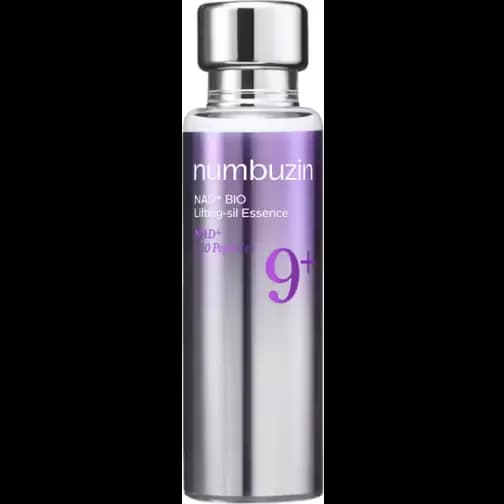
Not every serum in Skincare is designed for blemishes. In the supplied comparison set, Numbuzin No.9 NAD Bio Lifting Sil Essence sounds more focused on lifting or elasticity from the title than on blemish care, while SKIN1004 Madagascar Centella Hyalu-Cica Water-Fit Sun Serum SPF50+ PA++++ is presented as a sun serum. These may still interest some shoppers, but they should not be treated as acne treatments unless the listing or packaging makes that claim.
For blemish-prone skin, hydration-focused serums can still be relevant if your routine includes drying treatments, but judge them by texture and compatibility. Lightweight, layerable products are often easier to fit under moisturiser and SPF. If the listing includes “non-comedogenic”, “oil-free” or “suitable for acne-prone skin”, that is worth noting; if not, compare the rest of the information without filling in the gaps.
Moisturisers: light lotion, balm or barrier support?
Many people with blemish-prone skin skip moisturiser because they worry it will feel greasy. In practice, the better comparison is between texture types. A light moisturiser may suit someone who wants a simple daily layer. A richer balm may be more appealing if the skin barrier feels stressed, especially after using active treatments. Body lotions and lip products, however, should not be treated as face moisturisers unless the product is clearly intended for facial use.
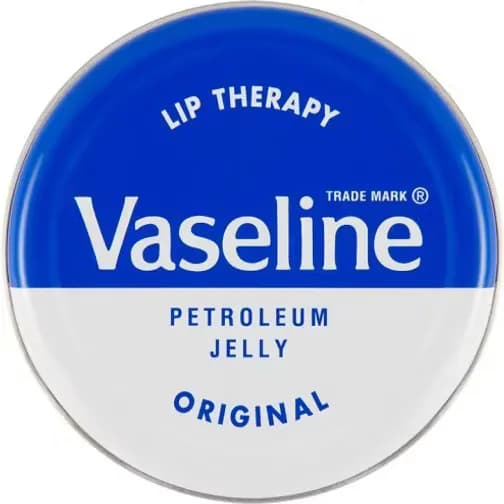
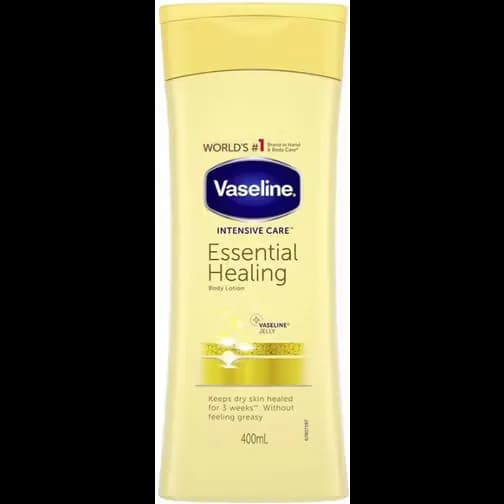
From the supplied products, Simple Kind to Skin Hydrating Light Moisturiser is the clearest face-moisturiser example by title and size. La Roche-Posay Cicaplast Baume B5+ may be considered by shoppers looking for a more balm-like product, but it should be compared by its own listed use and texture rather than assumed to be a blemish product. Vaseline body lotions, Dove self-tan body mousse, Bondi Sands tanning oil, Laneige lip mask and Vaseline Lip Therapy are better compared within Body Care, Body Lotions, Body Oils or lip care needs, not as core blemish-prone face skincare.
When comparing moisturisers, check for fragrance notes, oil-free or non-comedogenic wording where available, size, and whether the product is intended for day, night or general use. A low price is attractive, but the better buy is the one you will use consistently without discomfort.
Targeted blemish treatments: buy for the specific concern
Blemish Treatments should be compared more tightly than everyday moisturisers. Ask what the product is intended to address: active spots, clogged pores, post-blemish marks, excess oil or general congestion. Then compare the active ingredients and directions. A leave-on treatment, cleansing pad and exfoliator may all sit near the same shopping mission, but they are not interchangeable.
If a product claims to help blemishes, check whether that claim is supported by the listed active ingredients and usage instructions. If you cannot see the relevant information, it is safer to compare it as a general skincare item rather than a treatment. This is particularly important when a product title sounds soothing, hydrating or brightening but does not mention acne, spots or blemishes.
For shoppers building a routine, one targeted product is often easier to assess than several. You can then compare how it fits with your cleanser and moisturiser, rather than buying multiple active products that may overlap.
Use price and availability as tie-breakers, not the whole decision
Skincare offers can vary quickly, so compare current prices, pack sizes and retailer availability at the point you buy. A large discount can make a product worth considering, but it should not outweigh suitability. A bargain body lotion is not automatically a good face moisturiser for blemish-prone skin, and a discounted serum is not automatically a blemish treatment.
In the supplied catalogue data, several products showed strong offer signals and retailer availability, including moisturisers, balms, body products, lip care and sun serum options. That is useful for shortlisting, but the next step is to compare the product’s role, ingredient information and intended use. The best value choice is the one that fits your routine, your skin preferences and your budget together.
Availability also matters if you want consistency. If your skin responds well to a simple routine, being able to repurchase the same cleanser or moisturiser can be more valuable than constantly switching to the latest offer. Compare retailers, sizes and stock indicators, but check the latest details before making a final decision.
A simple decision checklist before you buy
First, decide what is missing from your routine. If your cleanser leaves skin tight, compare gentler Face Cleansers. If your skin feels dry from actives, compare light moisturisers or barrier-support products. If you have specific spots or clogged pores, compare Blemish Treatments rather than buying a general serum and hoping it will do the same job.
Second, read the claims literally. “Hydrating”, “repair”, “sun serum”, “lifting”, “self-tan” and “lip therapy” all point to different purposes. None of those words automatically means suitable for blemish-prone facial skin. Look for direct blemish, acne-prone, oil-control or non-comedogenic wording when those are important to you.
Third, compare price against use. A product used twice daily needs stronger value scrutiny than a treatment used occasionally. Consider size, frequency, texture preference and whether the product replaces something you already own. That approach makes comparing Skincare offers more reliable than choosing by discount alone.
Frequently asked questions
What type of skincare should I buy first for blemish-prone skin?
Start with the basics: a suitable face cleanser and a moisturiser you can use consistently. Once those are settled, compare targeted blemish treatments or active serums for specific concerns such as spots, oiliness or clogged pores.
Does non-comedogenic matter when comparing products?
It can be a useful note for blemish-prone shoppers, but only count it if it is actually listed by the retailer or on the packaging. If it is not shown, treat it as unknown rather than assuming the product has been assessed that way.
Are serums better than moisturisers for blemishes?
They do different jobs. A serum may contain targeted active ingredients, while a moisturiser helps keep the skin comfortable and supports regular use of the routine. For many shoppers, the best choice is not either-or but a simple moisturiser plus one carefully chosen treatment if needed.
Should I choose the cheapest skincare product on offer?
Price matters, but suitability matters more. Compare the product type, intended use, ingredients listed, size and availability. A low-cost product is only good value if it fits your skin and the role you need it to perform.
Conclusion
The best skincare for blemish-prone skin is not necessarily the product with the loudest claim or biggest offer. It is the routine where each step has a clear purpose: cleanse, support, moisturise, protect and treat only where needed.
When comparing Skincare options, pay close attention to blemish claims, active ingredients, non-comedogenic notes where listed, texture, size, current price and retailer availability. That gives you a much better chance of choosing products that make sense together, rather than collecting items that overlap or do not match your skin’s needs.
Live comparison
Compare our skincare picks
Prices and retailer availability are pulled from ShopSmarty when this page loads. Product selection is based on current catalogue, availability, value and merchandising signals rather than physical product testing.
| Product | Brand | Price from | Discount | Retailers |
|---|---|---|---|---|
| Vaseline Lip Therapy Original 20g From £1.0995% Off | Vaseline | £1.09 | 95% | 12 |
| Vaseline Intensive Care Mature Skin Rejuvenation Lotion 400ml From £2.9992% Off | Vaseline | £2.99 | 92% | 12 |
| SKIN1004 Madagascar Centella Hyalu-Cica Water-Fit Sun Serum SPF50+ PA++++ 15ml From £3.0192% Off | SKIN1004 | £3.01 | 92% | 12 |
| Vaseline Intensive Care Essential Healing Lotion 400ml From £3.0991% Off | Vaseline | £3.09 | 91% | 12 |
| Dove DermaSpa Gradual Self-Tan Body Mousse Fair to Medium 150ml From £3.9991% Off | Dove | £3.99 | 91% | 11 |
| Laneige Lip Sleeping Mask EX Berry 20g From £688% Off | Laneige | £6 | 88% | 12 |
| Vaseline Intensive Care Advanced Repair Body Lotion 400ml From £3.3988% Off | Vaseline | £3.39 | 88% | 12 |
| Numbuzin No.9 NAD Bio Lifting Sil Essence 50 ml From £10.6286% Off | Numbuzin | £10.62 | 86% | 12 |
Products to compare