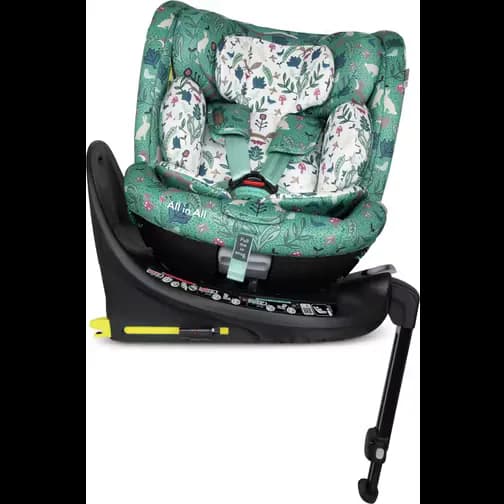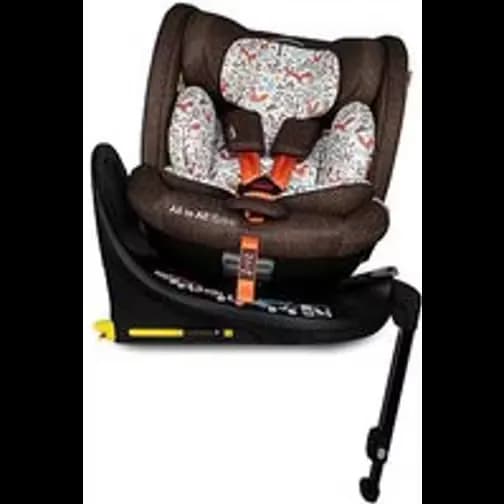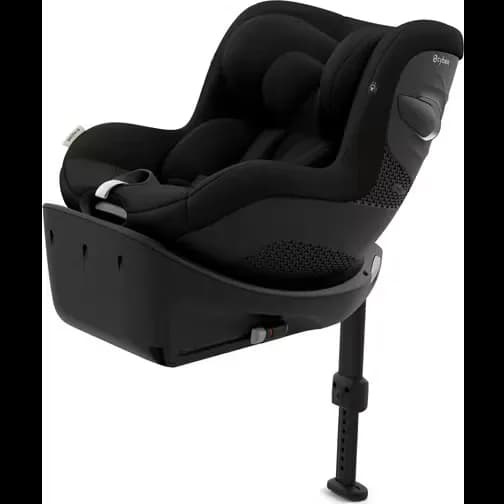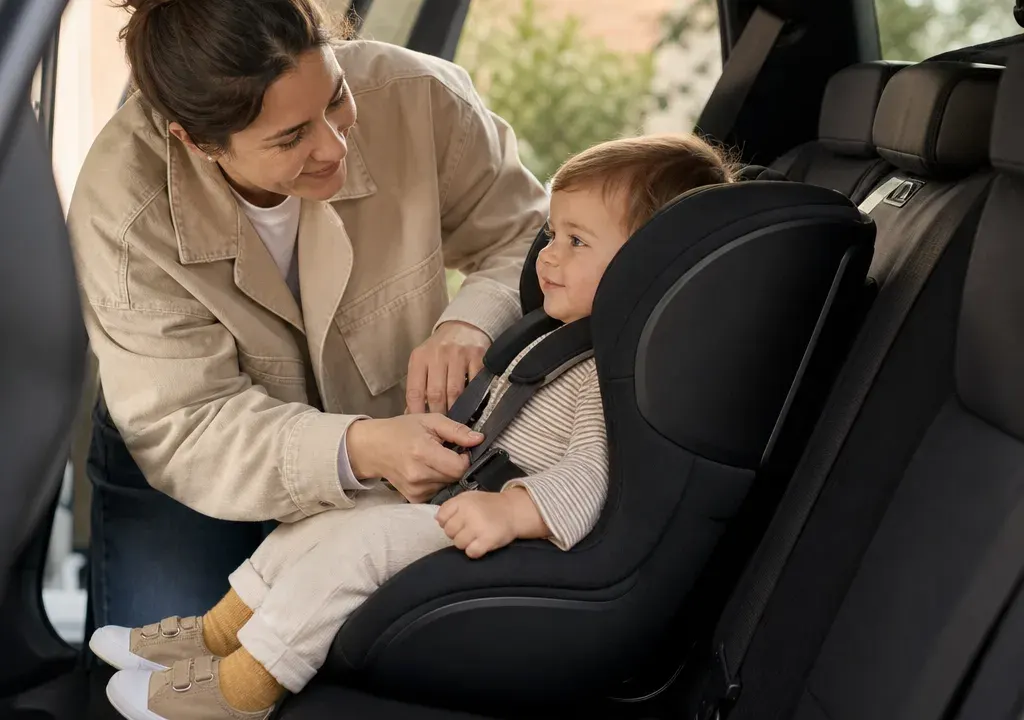
Outgrowing a car seat is rarely as simple as reaching a birthday. Children grow at different speeds, and Child Car Seats are usually designed around height, weight, fit and the way the harness or vehicle seat belt sits on the child.
For many families, the question comes up when a toddler looks squashed, a headrest seems too low, or friends start talking about booster seats. Before you upgrade, it is worth checking whether your child has genuinely reached the limits of the current seat, or whether a simple adjustment could give them more time in it.
In the wider Baby & Child category, travel products can feel especially confusing because safety, comfort and everyday practicality all matter at once. A calm, step-by-step check makes it easier to compare products and offers without being rushed into the wrong stage.
Start with the seat’s stated limits, not your child’s age
The first thing to check is the label and instruction manual for your current seat. Depending on the model, it may be approved for a particular height range, weight range, or both. Your child should stay within those stated limits.
Age can be a helpful rough guide, but it is not a reliable deciding factor on its own. Two children of the same age can differ noticeably in height, build and posture. A seat that still fits one child may be outgrown by another.
If you no longer have the manual, many manufacturers make instructions available through customer support or product information pages. It is worth checking the exact model rather than relying on general advice for a similar-looking seat.
Look for clear signs the current seat is becoming too small
Common signs include the head sitting too close to the top of the shell, the headrest no longer adjusting high enough, or the harness coming from an unsuitable position for the child’s shoulders. The correct harness position can vary by seat type, so follow the instructions for your specific model.
Also look at comfort. If your child’s shoulders are squeezed, their legs have nowhere sensible to rest, or the buckle is difficult to fasten without pressing into them, the seat may be nearing the end of its useful stage. Comfort matters because an uncomfortable child is more likely to wriggle, slump or pull at straps during everyday journeys.
Do not assume that bulky clothing means the seat is too small. Thick coats and padded layers can affect how a harness sits, so it is better to check fit with normal indoor layers and adjust for warmth with blankets or car-appropriate outerwear where suitable.
Do not rush the move from a harness to the vehicle seat belt
One of the biggest upgrade moments is moving from a harnessed child seat to a high-back booster that uses the car’s seat belt. This can be convenient, especially for school runs and lifts with relatives, but it depends on the child being big enough and mature enough to sit correctly.
A high-back booster relies on the vehicle seat belt staying in the right place across the shoulder and lap. If a child leans forward, tucks the belt under an arm, slips sideways when sleeping, or frequently unbuckles themselves, they may not be ready even if they meet the minimum size requirement for a particular booster.
When comparing Child Car Seats, look for clear belt guides, an adjustable headrest and a shape that suits your car’s rear seats. The aim is not just to pass the belt through the guide once in the shop, but to keep the belt sitting well on everyday journeys.
Check the fit in your car before you commit
A child may be ready for the next stage, but the next seat still needs to work in your vehicle. Rear bench shape, head restraints, seat belt length, buckle position and available space can all affect how neatly a seat fits.
If you use more than one car, think about the least spacious or most awkward vehicle, not just the easiest one. A seat that feels perfect in the main family car might be frustrating if it regularly needs moving into a grandparent’s car or a smaller second car.
This is where comparing products carefully helps. When browsing Child Car Seats, note whether models use ISOFIX, the vehicle seat belt, or both, and check whether that suits your car and your routine. Avoid choosing purely because an offer looks tempting; the better value seat is the one that fits your child and vehicle properly.
Consider everyday use, not just the next growth stage
An upgrade can change your daily routine. A heavier seat may be fine if it stays installed, but awkward if you move it between cars. A booster that is easy for an adult to buckle may be less convenient if the buckle sits low between other seats. A seat with more adjustment may suit a fast-growing child, but only if you will use those adjustments correctly.
Think about who will be using the seat. Parents, grandparents and childminders may all need to understand how it works. If more than one adult will fit or move the seat, straightforward installation indicators and simple adjustment points can be valuable features to compare.
It can also help to review surrounding Baby & Child items at the same time. For example, Baby Accessories such as sun shades, travel organisers or seat protectors should never interfere with the child car seat or seat belt, but they may make regular journeys easier when chosen sensibly.
What about younger siblings and hand-me-down seats?
If you are moving an older child up, you may be tempted to pass the previous seat down to a younger sibling. That can be sensible only if the seat is still suitable, complete and in good condition. Check that it has not been involved in a crash, has all its parts, still has clear fitting instructions, and suits the younger child’s size and stage.
Also consider whether the younger child would be better served by a different type of seat. Baby Car Seats and later-stage Child Car Seats are designed for different stages, and a hand-me-down should never be used simply because it is available.
Soft travel items such as Baby Blankets, Baby Carriers or other Baby & Child essentials can be reused more easily, but car seats need a more cautious check because correct fit and installation are so important.
Compare offers after you know the right stage
Once you are confident that your child is ready to move up, comparing offers becomes much easier. You can filter out seats that do not suit your child’s current size, your vehicle or your daily routine, then compare the remaining options on adjustability, installation method, comfort features and ease of use.
Prices and promotions can change, so it is better to compare current offers rather than assuming one type of seat is always better value. A cheaper option is not a saving if it is awkward to fit, unsuitable for your car or likely to be outgrown too quickly.
Use the Child Car Seats range to shortlist seats that match the correct stage first, then weigh up features that genuinely matter to your family’s journeys.
Frequently asked questions
Is age enough to decide when to change a child car seat?
No. Age is only a rough guide. Check the seat’s stated height and weight limits, how the harness or seat belt fits, and whether your child can sit correctly in the next stage.
Should I move my child to a booster as soon as they reach the minimum size?
Not necessarily. Your child also needs to sit properly for the whole journey, with the vehicle seat belt positioned correctly. If they wriggle out of position or move the belt, they may need more time in a suitable harnessed seat.
How do I know if a child car seat fits my car?
Check the seat instructions against your vehicle, including ISOFIX points if relevant, seat belt length, buckle position, rear seat shape and available space. If the seat will be used in several cars, consider each one.
Can I reuse a child car seat for a younger sibling?
Only if it is still suitable for the child’s size, complete, undamaged, not previously involved in a crash, and can be fitted correctly using the original instructions. If in doubt, choose a different suitable seat.
Conclusion
The right time to move up is when your child has genuinely outgrown the current seat and is ready for the next one in both size and behaviour. Birthdays, peer pressure and tempting offers should not be the deciding factors.
Check the limits, assess the fit, think about your car and then compare Child Car Seats that match your family’s journeys. A careful upgrade can make daily travel more comfortable, more convenient and better suited to your growing child.
Products to compare
View all baby & child