Choosing Storage is less about finding the biggest unit and more about matching the right measurements to the space you actually have. A tall wardrobe, a mobile TV trolley and a small desktop organiser all solve different problems, but each one needs to be judged by footprint, clearance and usable compartments.
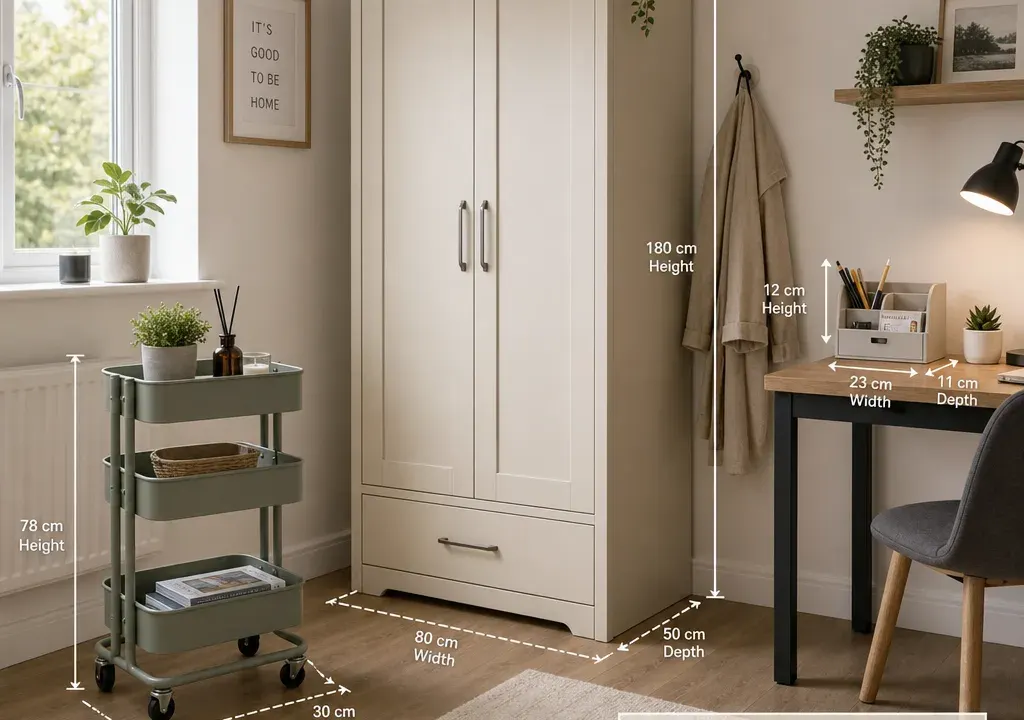
When comparing products and offers, catalogue specification data is your starting point. Width tells you whether an item will fit along a wall, depth affects how far it projects into the room, height determines vertical capacity, and internal divisions decide whether the storage is genuinely useful for your belongings.
Start with the space, not the product
Before browsing, measure the area where the storage will sit. Note the maximum width available, the depth you can spare without narrowing walkways, and the height up to shelves, sloping ceilings, picture rails or light switches.
Leave practical clearance around doors, drawers and moving parts. A wardrobe with drawers may fit neatly against a wall on paper, but it also needs room for the doors to open and for you to stand in front of it. A trolley may have a smaller footprint, yet still needs space to turn or roll out if it is designed to be moved.
For tighter rooms, mark the proposed footprint on the floor with masking tape or paper. This makes the depth much easier to judge than looking at numbers alone, especially in bedrooms, home offices and living rooms where furniture sits close together.
Width: decide how much wall space you can give up
Width is usually the first filter when comparing Storage because it decides whether the item physically fits the intended wall, alcove or corner. In a bedroom, a wider wardrobe may provide more hanging and drawer capacity, but it can also dominate the room or reduce space for bedside furniture.
For living rooms and home offices, width matters in a different way. A mobile TV cart or printer and storage trolley may need enough width for equipment, but a narrower design can be easier to place beside a desk, sofa or shelving unit.
Small organisers, such as a tissue box cover or desktop storage piece, should still be checked for width. They may seem minor, but on a narrow desk, windowsill or bedside table, a few extra centimetres can make the surface feel cluttered.
Depth: the measurement shoppers most often underestimate
Depth is the distance a storage product projects into the room. It has a major effect on comfort because it influences walkways, door swings and how easy it is to reach items.
Bedroom Storage often needs enough depth for folded clothes or hanging garments, while Office Storage & Organisation may work better with shallower units that keep files, stationery or tech accessories accessible. A deep unit can store more, but items at the back may become harder to use day to day.
When comparing a wardrobe, trolley and small organiser, the depth requirement changes dramatically. A wardrobe is a floor-space commitment. A TV trolley needs both footprint and movement space. A tissue box cover or small container needs surface space rather than floor space. Comparing depth by use case helps avoid buying storage that technically fits but feels intrusive.
Height: use vertical space without creating awkward access
Height is useful when floor space is limited. Tall wardrobes and shelving-style storage can make better use of a compact footprint, particularly in bedrooms or spare rooms. However, the top sections are only useful if you can reach them safely and if the items stored there are things you do not need every day.
For office areas, medium-height storage can sometimes be more practical than very tall furniture, especially if you want to keep documents, stationery or a printer within easy reach. A Printer & Storage Trolley, for example, is often chosen for access and flexibility rather than maximum vertical capacity.
Check height against the room’s features. Radiators, window sills, wall sockets, dado rails and sloping ceilings can all affect where storage can realistically sit. If an item will go under a desk, beside a sofa or beneath a wall-mounted screen, height becomes just as important as width.
Compartments matter as much as the outside dimensions
External dimensions tell you whether storage fits the room. Internal compartments tell you whether it fits your belongings. A wardrobe with doors, drawers, a shelf and a clothes rail will suit a different mix of items from open Office Baskets & Boxes or a compact desktop organiser.
Before comparing products, group what you need to store: hanging clothes, folded clothing, shoes, paperwork, cables, remote controls, craft supplies or everyday household items. Then look for compartment layouts that match those groups.
Do not assume more compartments are always better. Small sections can keep accessories tidy, but they may be limiting for bulkier items. Large open spaces are flexible, but they can become messy without baskets or dividers. The best choice is the one that reduces friction in daily use.
Compare storage by room type
For bedrooms, prioritise width, door clearance and internal clothing layout. Clothes Rails & Wardrobe Systems can be useful if you need hanging space, while wardrobes with drawers may suit shoppers who want one piece to handle both folded and hanging items.
For home offices, measure around chairs, desks and cables. Office Storage & Organisation should support the way you work: quick access to files, a sensible place for small accessories and enough depth for equipment without blocking legroom or movement.
For living rooms, think about sightlines and flexibility. A mobile TV cart or trolley-style storage can be useful where furniture needs to move, but check the footprint, height and whether it leaves enough space around seating. For surfaces, smaller storage accessories should be chosen to tidy items without overcrowding tables or shelves.
For multipurpose rooms, choose flexible dimensions rather than simply the largest capacity. Storage that works in a spare bedroom, study or family room often needs to be easy to access, visually calm and proportionate to the available floor area.
How to compare offers without being distracted by size alone
Value is not just about the lowest available offer. A discounted wardrobe may look appealing if it provides the width, height and compartments you need, but it is poor value if it does not fit the room or leaves you needing extra storage soon after.
Likewise, a compact trolley or small organiser can be good value when it solves a specific problem neatly. Compare product specifications, retailer availability and offer signals together, but keep measurements at the centre of the decision.
A useful comparison shortlist should include the product type, external dimensions, compartment layout, intended room, and any practical constraints such as door clearance or available surface space. Once those basics are right, price and offer differences become much easier to judge fairly.
A simple measuring checklist before you buy
Measure the available wall or floor width, then subtract a little breathing room so the item does not feel wedged in. Check depth against walkways and furniture clearances, especially in narrow bedrooms and home offices.
Measure height up to any obstruction, including shelves, sockets, switches, rails and sloped ceilings. If the item has doors or drawers, allow opening space in front. If it is a trolley, allow space to move it, not just park it.
Finally, compare compartment measurements or descriptions with the items you plan to store. If the product listing does not provide enough detail for your needs, be cautious: the outside size alone may not tell you whether it will work.
Frequently asked questions
What storage measurement should I check first?
Start with the available width and depth in the room. Width tells you whether the item fits the wall or alcove, while depth tells you how much it will project into your living space. Height and compartments should come next.
Is bigger storage always better?
No. Larger storage can offer more capacity, but it may reduce walkway space, block access or overwhelm a room. The better choice is storage that fits the room comfortably and has compartments that suit your belongings.
How much clearance should I allow for drawers and doors?
Allow enough space to open doors and drawers fully and to stand in front while using them. The exact clearance depends on the product design, so check the catalogue specifications and consider the surrounding furniture.
How do I compare wardrobes, trolleys and small organisers fairly?
Compare them by the job they need to do. A wardrobe should be judged on floor space, height and clothing compartments. A trolley needs footprint, height and movement space. A small organiser should be judged by surface space and internal capacity.
Conclusion
The right Storage size is the one that fits your room, your belongings and your daily habits. Compare width, depth and height first, then look closely at compartments and access.
Once you know the measurements that matter, it becomes much easier to compare wardrobes, trolleys, baskets, boxes and smaller organisers by genuine usefulness rather than appearance or offer signals alone.
Live comparison
Compare our storage picks
Prices and retailer availability are pulled from ShopSmarty when this page loads. Product selection is based on current catalogue, availability, value and merchandising signals rather than physical product testing.
| Product | Brand | Price from | Discount | Retailers |
|---|---|---|---|---|
| Vida Designs Arlington 3 Door 2 Drawer Wardrobe With Shelf & Clothes Rail, Grey & Oak From £204.9915% Off | Home Discount | £204.99 | 15% | 3 |
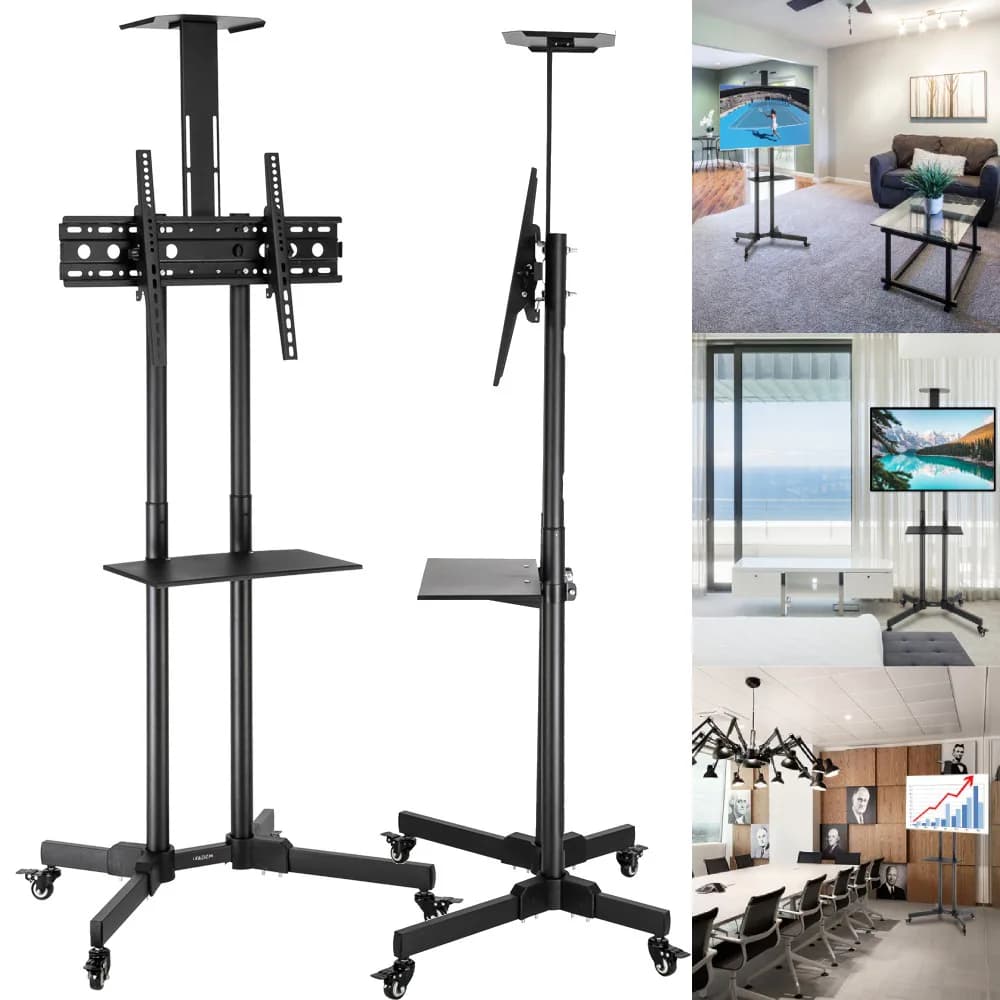
| Mobile Tv Cart Floor Stand Home Office Mount Tv Trolley With Storage From £42.98 | Leadzm | £42.98 | — | 1 |
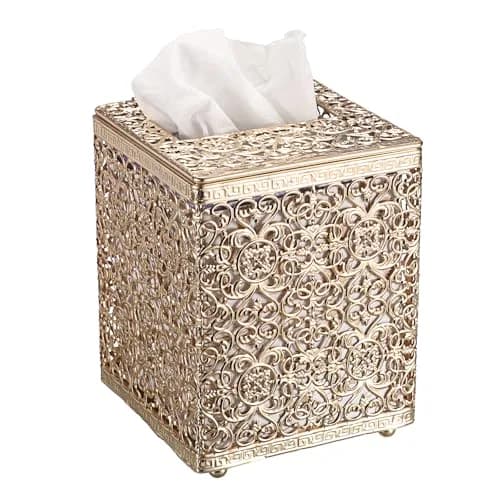
| Sumnacon Stylish Square Gold Metal Tissue Box Cover with Lid, Sturdy & Elegant, Perfect for Home & Office From £22.93 | SUMNACON | £22.93 | — | 1 |