
Loading buyer guide
Hurry, don't miss savings on selected furniture & more.* Shop all offers
The right charger wattage depends on your phone, your cable and where you charge most often. Compare lower-wattage mains plugs, 25W wireless pads, higher-output car chargers and USB-C powerbanks by compatibility, convenience and price band.
Use our barcode scanner to match products instantly to find the best prices, find products with ease using our voice search and build wish lists and your favourites at the click of a button.
2027 foldable phones to watch
Foldable buying in 2027 will be about more than a new hinge or a bigger display. The smarter shortlist will compare book-style and flip formats, listed screen sizes, storage tiers, camera hardware, availability and how each offer sits against conventional Mobile Phones.
New phones coming in 2027: Apple, Samsung, Google and more
Phone launch shopping is easiest when you separate what is actually listed for sale, what has been officially announced, and what is still only expected. For 2027, the smartest shortlist will be built from confirmed Mobile Phones data, retailer availability and comparable specifications rather than brand rumours.
2026 foldable phones compared: Samsung, Google, Honor and rivals
Foldable phones are now split into two very different buying decisions: book-style models for tablet-like space, and flip-style models for pocketability. The smarter shortlist starts by separating those formats before comparing storage, cameras, battery size, weight, retailer availability and the final offer in front of you.
Best 2026 flagship phones from Apple, Samsung and Google
Flagship phone launches can make every handset sound like the obvious upgrade. The smarter approach is to compare the exact Apple, Samsung or Google model by screen size, storage, camera hardware, processor family, charging support, retailer availability and the offer in front of you.
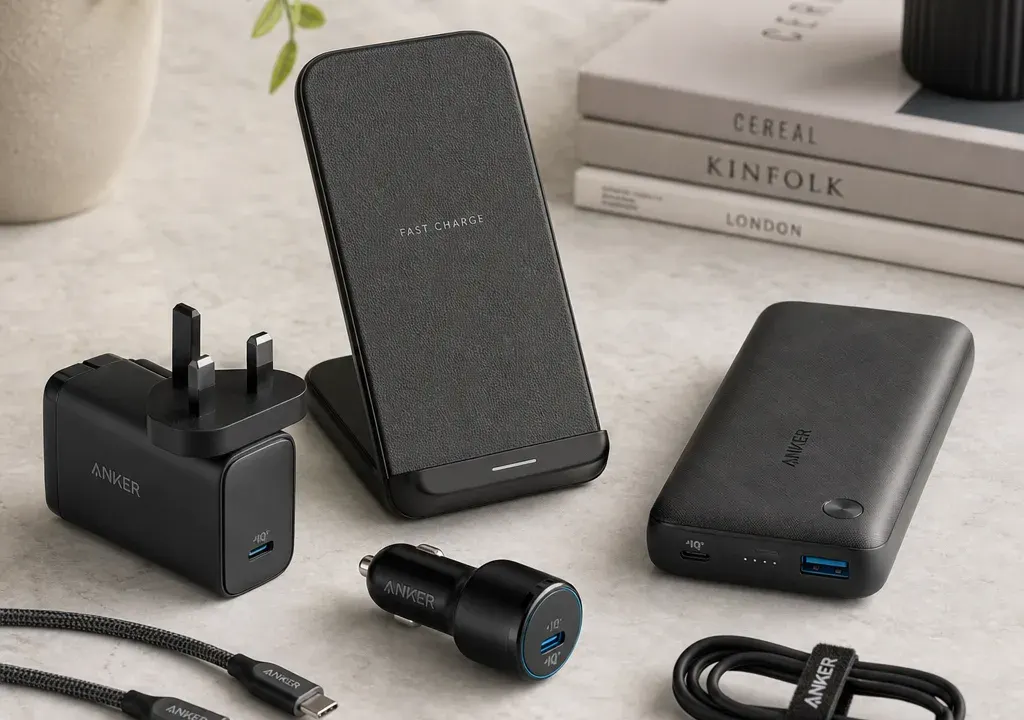
A phone charger with a bigger wattage figure is not automatically the best buy. Your phone will only draw the power it is designed to accept, and the cable, port type and charging method all affect the result. That is why comparing charger wattage alongside USB-C support, wireless charging and day-to-day use is more useful than simply picking the highest number on the box.
Within Mobile Phone Accessories, chargers sit alongside Battery Cases, Wallet Cases, Mobile Phone Covers and Waterproof Cases, but they need a slightly different buying approach. Instead of focusing on fit or finish, you are checking output, connector type, brand compatibility and whether the offer represents good value for the way you charge.
Before comparing offers, check the charging guidance for your handset. Some phones are comfortable with modest charging speeds, while others can take advantage of higher-output USB-C chargers. If your phone supports a maximum below the charger’s rating, the extra wattage may not make charging faster.
As a broad shopping guide, 5W chargers are usually basic and slow, 10W to 15W chargers suit overnight or desk charging, around 20W to 30W is a common range for faster everyday phone charging, and higher-output options are more relevant if your device supports them or if you want a charger for more than one use case. Avoid assuming that a 75W charger will turn every phone into a 75W-charging device.
A 15W mains charger, such as a Samsung Galaxy 15W Adaptive Fast Charger with a USB-C cable, is aimed at shoppers who want a straightforward branded wall charger rather than the highest possible output. In the current catalogue it appears in the lower mid price band, making it worth comparing if you want a simple plug-and-cable option for compatible Samsung devices and other suitable USB-C charging setups.
A 25W wireless charger, such as the Google Pixelsnap Wireless Charger 25W Qi2, is a different kind of purchase. Wireless charging is often chosen for convenience at a bedside table or desk, not just raw speed. If your phone supports Qi2 or the relevant magnetic wireless charging arrangement, it may be appealing; if not, a wired USB-C charger may be better value.
Higher-output chargers, such as the Anker USB-C Car Charger 75W Max, are best judged by context. A high maximum output in a car charger can be useful for compatible devices, but it is not the same as a guaranteed phone charging speed. Check the port configuration and your phone’s charging standard before paying extra for output you may not use.
A wired wall charger is usually the safest starting point for everyday charging because it is simple, compact and easy to compare by wattage and cable type. Look for the port you actually need: many newer accessories use USB-C, while older cables may use USB-A at the charger end.
Wireless chargers, including stand-style options such as the Anker 313 Wireless Charger and dedicated charging heads such as the Quad Lock Wireless Charging Head V2, are more about placement and convenience. A stand can keep the screen visible on a desk, while a charging head may make sense as part of a wider mounting setup. Do not compare wireless and wired chargers by wattage alone; the way you use them matters.
A car charger is useful if you rely on navigation, long journeys or passenger charging. Prioritise a secure fit, the right cable connection and enough output for your device. A 75W maximum rating may be attractive, but for phone-only use it is still worth comparing against lower-priced options if your handset cannot use that extra headroom.
A powerbank, such as the Fx 10,000 mAh powerbank with Type-C 3A output, solves a different problem: charging away from a plug. Capacity and output both matter. A 10,000 mAh unit can be a practical everyday size, while Type-C output helps if your cable setup is already USB-C. As with wall chargers, check your device compatibility rather than buying on numbers alone.
USB-C has become a key feature to look for because many current phones, tablets and accessories use it. A charger described as USB-C, Type-C or supplied with a USB-C cable may be more convenient if your household is already moving away from older USB-A cables.
However, a USB-C port does not automatically mean maximum charging speed for every phone. The charger, cable and handset all need to support the relevant charging capability. If a product includes a cable, that can be good value, but still compare whether the cable length and connector match your existing setup.
Brand match can be reassuring if you have a Samsung, Google or Apple device, but it should not be your only filter. For example, a Samsung 15W USB-C charger may be a logical comparison point for compatible Samsung phones, while a Google 25W Qi2 wireless charger is more relevant to shoppers looking for that wireless ecosystem and compatibility.
Third-party brands can also be worth comparing where the specification is clear. Anker appears in the catalogue with both wireless and car charging options, while Quad Lock is represented by a wireless charging head suited to its accessory style. The sensible approach is to compare the stated output, port type, format and phone compatibility rather than assuming one brand name fits every use case.
In the current product set, some simple charging accessories and power options appear in budget and lower mid price bands, while branded wireless chargers and specialist charging heads sit higher. That does not make one group automatically better; it reflects differences in format, brand, output and accessory type.
Under-£10 offers may suit shoppers who need a basic accessory or spare, but check whether the product is actually a charger, a powerbank, a case or another Mobile Phone Accessories item. Around £10 to £20 is often where you will compare everyday wall chargers, wireless stands and car chargers. Above that, expect to look more closely at wireless standards, branded compatibility or specialist mounting systems before deciding whether the extra spend is justified.
Discounts can make comparisons more attractive, but use them as a prompt to inspect the specification, not as the sole reason to buy. A heavily reduced Wallet Case, Mobile Phone Cover or Waterproof Case is not a substitute for a charger if charging is the job you need solved.
Choose a 15W-style wall charger if you want a simple mains plug for routine charging and your phone does not need a higher-output accessory. Choose a 20W to 30W option if your handset supports faster charging in that range and you want a balance of speed and cost. Choose wireless if convenience matters more than the fastest possible top-up.
Choose a car charger if your main charging gap is on journeys. Choose a powerbank if you need charging away from a socket. Choose a specialist wireless charging head only if it fits your mounting system and daily setup. When two offers look similar, compare the port configuration, whether a cable is included, the compatible brand notes and the price band rather than relying on wattage alone.
No. Your phone will only use the charging power it is designed to accept, and the cable and charging standard also matter. A higher-watt charger may be useful for compatible devices or multi-purpose use, but it will not automatically make every phone charge faster.
For many shoppers, a charger in the 15W to 30W range is the main comparison area for everyday use. Check your phone’s own charging guidance before buying, as some handsets benefit from higher output while others will not.
Choose USB-C wired charging if you want straightforward, usually faster charging with the right cable. Choose wireless charging if you value convenience on a desk, bedside table or compatible mount. Compatibility is essential for both.
Not necessarily, but your phone may not use the full 75W. A high-output car charger can still be useful if it suits your setup, but compare the port type, your cable and your phone’s supported charging speed before paying more for the headline wattage.
A powerbank is better seen as a portable backup rather than a full replacement. It is useful for travel, commuting and days away from sockets, while a wall charger is usually more convenient for regular charging at home.
The best phone charger wattage is the one your phone can use, in the format you will actually rely on. A 15W USB-C wall charger, a 25W wireless charger, a 75W car charger and a Type-C powerbank all solve different charging problems, so compare them by situation rather than by number alone.
When browsing Mobile Phone Accessories, narrow the choice by charging location first, then check output, USB-C support, compatible brands and price band. That approach helps you avoid overpaying for unused wattage while still finding a charger or power accessory that fits your daily routine.
